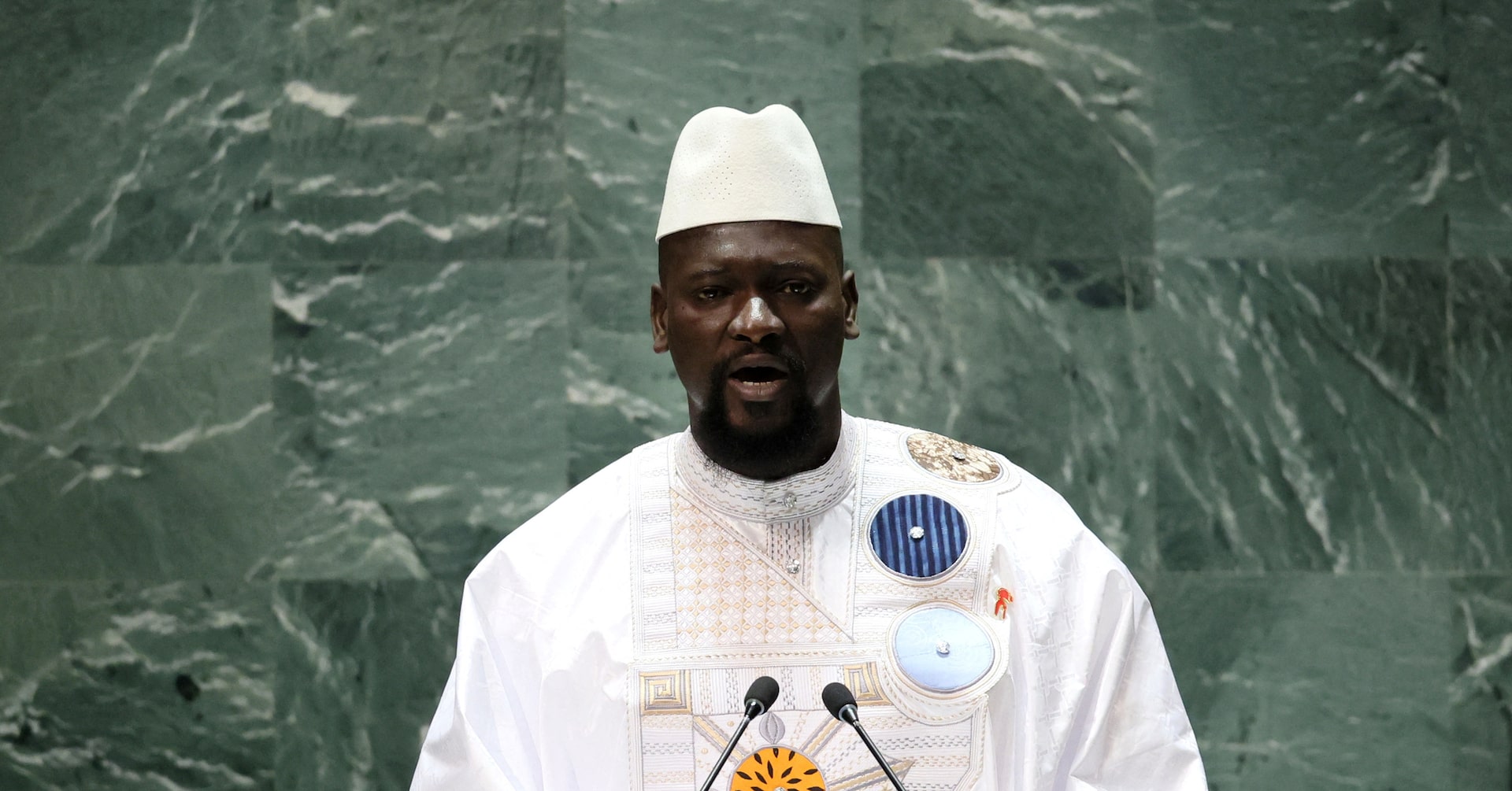
Guinea is poised to hold a pivotal referendum on Sunday, September 17, 2023, which could reshape its political future. The proposed new constitution, if approved, would allow junta leader Mamady Doumbouya to run for president—a move that contradicts his earlier pledge to abstain from seeking office after seizing power in 2021. This referendum marks another chapter in the turbulent political transitions across West and Central Africa, a region that has witnessed eight coups between 2020 and 2023. The transition charter adopted post-coup initially barred junta members from participating in elections, but the new constitution omits this restriction, raising concerns about a potential power consolidation. Opposition leader Cellou Dalein Diallo, currently in exile, has labeled the referendum a ‘masquerade’ and urged citizens to boycott it. His party, the Union of Democratic Forces, along with ousted President Alpha Conde’s Rally of the Guinean People, remains suspended for failing to meet administrative and financial disclosure requirements imposed by the junta. Human Rights Watch has accused Doumbouya’s government of targeting political opponents and suppressing media outlets, allegations the government denies. The new constitution proposes extending the presidential term from five to seven years, renewable once, and establishing a Senate, with one-third of senators directly appointed by the president. Over 6.7 million voters are registered, and the constitution will be adopted if more than 50% approve. While some, like civil servant Ibrahima Camara, support the referendum as a step toward normalization, others, such as Abdoulaye Diallo, view it as non-transparent and fear it will exacerbate tensions. The referendum’s outcome could significantly impact Guinea’s path to civilian rule, with the presidential election expected in December 2024.