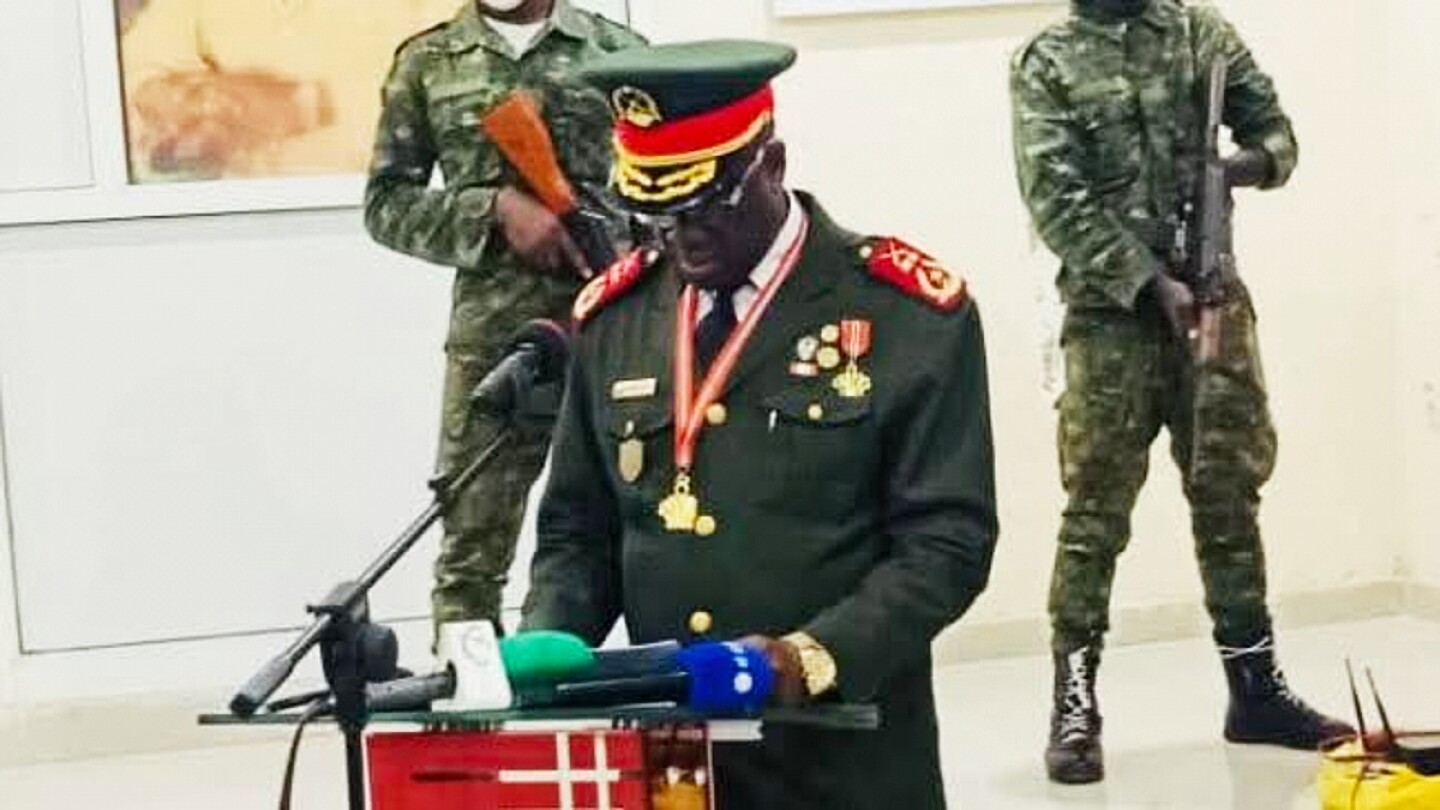
LAGOS, Nigeria — Guinea-Bissau has become the newest addition to Africa’s expanding roster of military takeovers, marking the latest erosion of democratic governance across the continent. The political upheaval unfolded when sustained gunfire erupted near presidential offices on Wednesday, culminating in uniformed officers commandeering state television to declare their seizure of power.
The deposed leader, Umaro Sissoco Embaló, found himself detained following the putsch amid an ongoing bitter power struggle with opposition forces. Both factions had previously asserted victory in recent presidential elections, creating the political vacuum exploited by military elements.
This coastal West African nation of 2.2 million inhabitants exemplifies a troubling regional pattern characterized by electoral disputes, constitutional instability, widespread youth dissatisfaction, and increasing military intervention in civilian governance.
A comprehensive analysis of recent African coups reveals concerning trends:
Mali (August 2020 & May 2021): Experienced consecutive military interventions, with Colonel Assimi Goita ultimately consolidating power and postponing elections until 2077. Mali has since joined with Burkina Faso and Niger to form a breakaway alliance explicitly rejecting democratic restoration.
Chad (April 2021): Witnessed General Mahamat Idris Deby extending his family’s thirty-year dominion following his father’s death, subsequently holding elections widely criticized as fraudulent.
Guinea (September 2021): Saw Colonel Mamady Doumbouya oust President Alpha Condé, who had previously manipulated constitutional term limits. Doumbouya now prepares to contest December elections under revised rules favoring military candidates.
Sudan (October 2021): General Abdel-Fattah Burhan’s takeover eventually triggered catastrophic civil conflict when power-sharing arrangements with paramilitary leaders collapsed in April 2023.
Burkina Faso (January & September 2022): Endured two successive coups within eight months, with Captain Ibrahim Traoré ultimately dissolving the electoral commission and consolidating military rule.
Niger (July 2023): General Abdourahamane Tchiani’s deposition of Mohamed Bazoum created regional fractures within ECOWAS and prompted the formation of the Sahel States Alliance.
Gabon (August 2023): Brice Oligui Nguema, cousin of ousted president Ali Bongo, assumed control after military intervention nullified election results and dissolved government institutions.
Madagascar (October 2025): Military forces capitalized on popular discontent over infrastructure failures to remove President Andry Rajoelina.
Guinea-Bissau’s intervention continues this pattern, preventing what might have been the nation’s first democratically reelected president from completing his term.