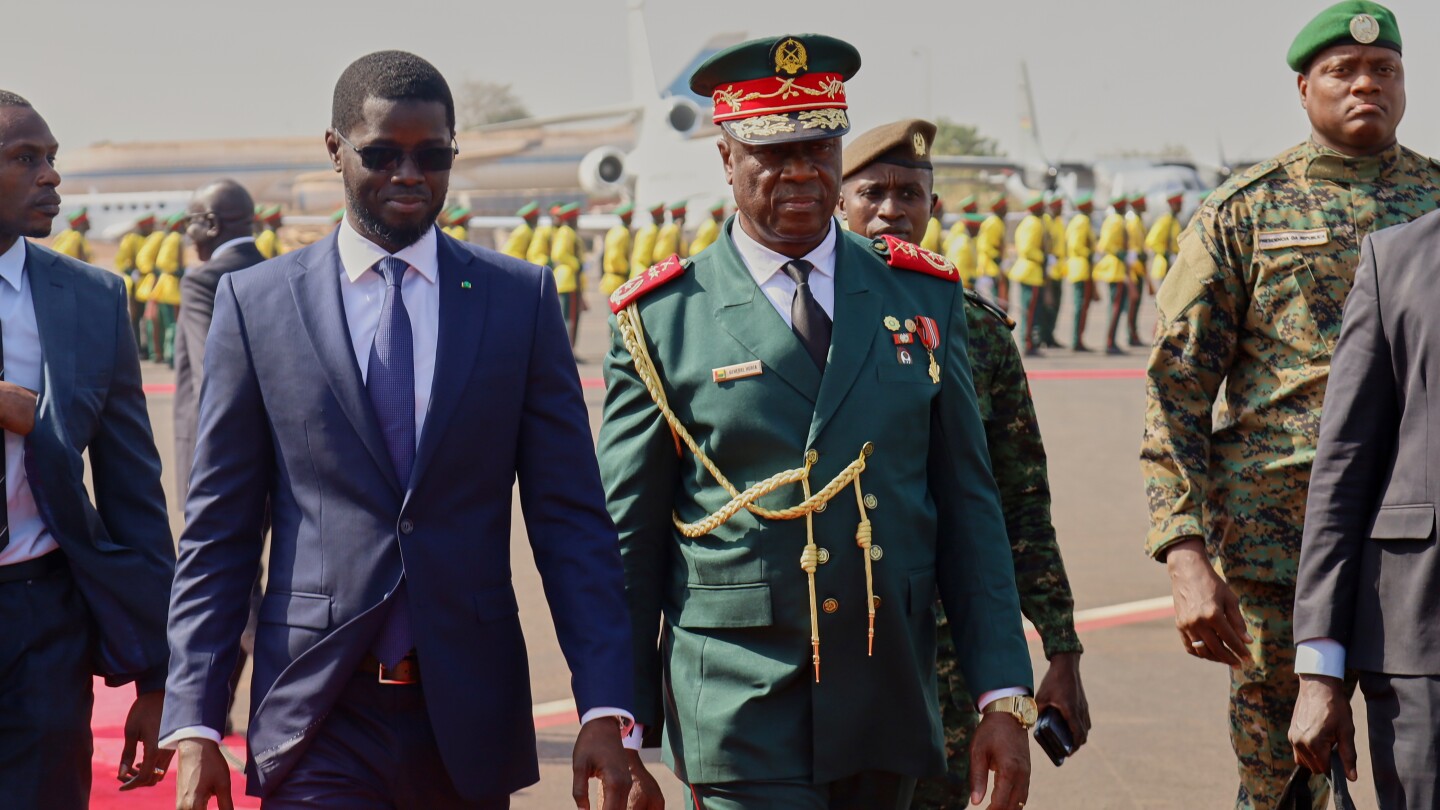
The military junta currently governing Guinea-Bissau has formally declared December 6th as the date for both legislative and presidential elections, marking a significant development in the country’s political transition. General Horta Inta-a, leader of the military government installed following last November’s coup, issued a presidential decree confirming that all necessary conditions for conducting free, fair, and transparent elections have been established.
This announcement comes against the backdrop of Guinea-Bissau’s turbulent political history, characterized by persistent instability since gaining independence from Portugal over five decades ago. The West African nation of approximately 2.2 million people, consistently ranked among the world’s poorest countries, has experienced numerous coups and attempted power seizures throughout its existence, including a significant coup attempt as recently as October 2022.
The military high command had previously appointed Inta-a, former army chief of staff, to lead a transitional government with a mandated one-year oversight period. Meanwhile, regional security analysts note that Guinea-Bissau’s notorious reputation as a narcotics trafficking corridor between Latin America and Europe has substantially contributed to its political dysfunction, with drug trade revenues exacerbating governance challenges.
This development occurs within the broader context of a regional coup pattern sweeping across West Africa since 2020. Military takeovers in neighboring nations including Mali, Niger, Burkina Faso, and Guinea have typically been justified by promises to enhance national security against extremist threats or combat systemic corruption. General Mamadi Doumbouya’s 2021 overthrow of Guinea’s president exemplified this trend, undertaken with similar commitments to governance reform.