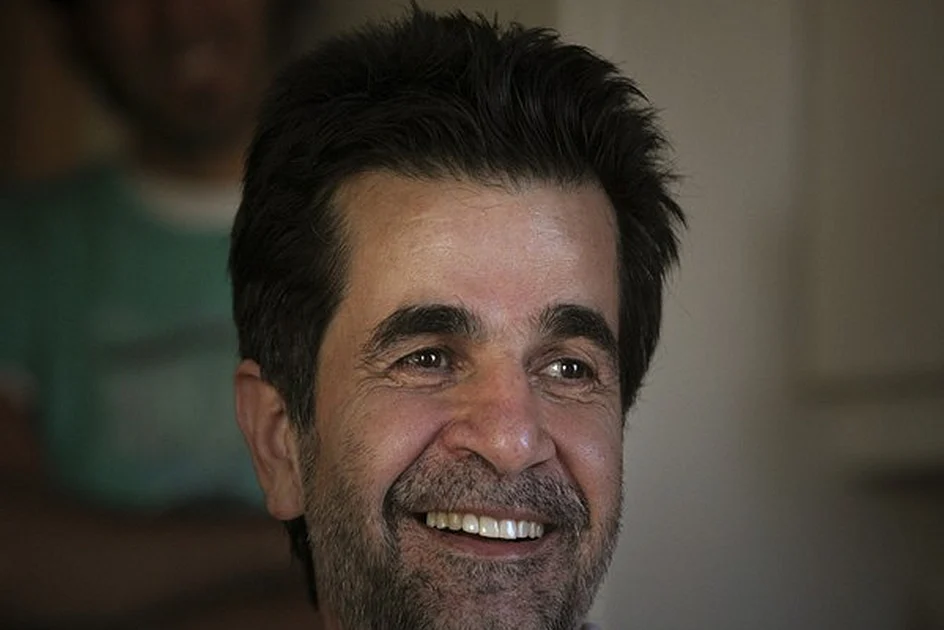
Iranian filmmaker Jafar Panahi delivered a powerful tribute to oppressed creators worldwide during his acceptance speech at the Gotham Awards in New York, even as he faced fresh legal persecution from Tehran’s Islamic Revolutionary Court. The acclaimed director, who received three major awards for his Palme d’Or-winning drama “It Was Just An Accident,” dedicated his honors to independent filmmakers systematically “deprived of the right to see and be seen.”
Panahi’s recognition came on the same day his lawyer, Mustafa Nili, revealed through social media that the Tehran court had sentenced the director in absentia to one-year imprisonment, a two-year travel prohibition, and banned him from political and social group membership. The charges cited “propaganda activities against the system” as justification for these punitive measures.
Despite these developments, Panahi chose to focus his acceptance remarks on the broader struggle faced by artists operating under repression. “This dedication stands as a small tribute to all filmmakers who have been deprived of the right to see and to be seen but continue to create and to exist,” he stated, acknowledging those who work “in silence, without support, and at times, by risking everything they have.”
The award-winning film itself represents Panahi’s resilience against artistic suppression. Having previously endured two prison terms and a twenty-year filmmaking ban that forced him to work clandestinely, “It Was Just An Accident” explores themes of justice and moral confrontation through the story of an ordinary mechanic who recognizes his potential torturer from prison days.
Currently, Panahi is engaged in a United States city tour promoting the film, which has been selected as France’s official submission for the 2026 Academy Awards. Distribution company Neon, which released the film theatrically in October, is producing a documentary short about Panahi’s travels scheduled for early 2026 release.
At a recent New York Film Festival appearance alongside Martin Scorsese, Panahi reflected on the devastating impact of Iran’s artistic exodus, noting: “All the backbones of Iranian filmmaking are out. I really miss all those films that they could have made in Iran and they never did.” Despite the personal risks, the director affirmed his commitment to remaining in his homeland, stating: “I don’t have the courage and I don’t have the ability to leave Iran and stay out of Iran. I have stayed there, and I’m going to work there.”