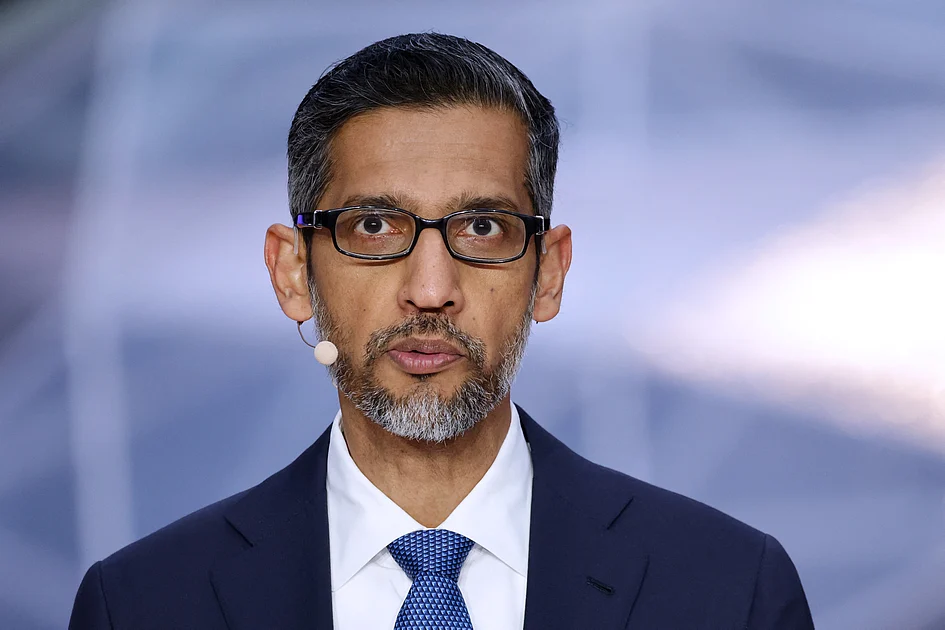
In a recent interview with the BBC, Sundar Pichai, CEO of Google’s parent company Alphabet, issued a stark warning about the potential consequences of an artificial intelligence (AI) bubble burst. Pichai emphasized that no company, including Google, would be immune to the fallout. He acknowledged the ‘irrationality’ driving the current AI investment boom, which has fueled a tech rally but also raised concerns about sustainability. Recent fears of an AI bubble have triggered a selloff, causing global stock markets to tumble in recent months. Pichai highlighted the ‘immense’ energy demands of AI, which accounted for 1.5% of global electricity consumption last year, according to the International Energy Agency. By 2030, AI’s global computing footprint could reach 200 gigawatts—equivalent to Brazil’s annual electricity consumption—with half of that demand concentrated in the United States. The rapid expansion of AI infrastructure, driven by geopolitical tensions, has led to the construction of massive data centers housing tens of thousands of power-hungry chips. Pichai stressed the urgent need for new energy sources and infrastructure development to meet these demands. He also admitted that Alphabet’s AI operations would delay the company’s climate goals but reaffirmed its commitment to achieving carbon neutrality by 2030. Pichai further discussed AI’s societal impact, predicting ‘disruptions’ across industries, including potential changes in leadership roles. He urged individuals to adapt to AI tools, stating that those who embrace the technology will thrive in their professions. Despite the challenges, Alphabet reported a record $100 billion in quarterly revenue in October, attributing the success to its ability to capitalize on the AI boom. The company has significantly increased spending to meet AI infrastructure demands and has rolled out AI features globally, including in Google Search and its Gemini AI models.