In a comprehensive 2026 commodities outlook, Goldman Sachs has presented a strikingly divergent forecast for global markets, advocating a strategic pivot toward precious metals while cautioning against energy sector investments. The analysis, spearheaded by lead strategist Daan Struyven, identifies two powerful macroeconomic forces—dubbed the ‘Power Race’ and ‘Supply Waves’—as primary drivers reshaping commodity landscapes.
The ‘Power Race’ encapsulates the intensifying technological and geopolitical competition between major powers, particularly the United States and China, across artificial intelligence development, energy security initiatives, and military modernization programs. This competition generates substantial demand for strategic metals essential for data center construction, electrical grid modernization, and defense applications. Conversely, ‘Supply Waves’ describes the phenomenon of sustained energy investment finally delivering substantial new production volumes to markets experiencing declining demand fundamentals.
Goldman’s analysis positions gold as its premier commodity investment for 2026, projecting prices could reach $4,900 per ounce by December 2026. This bullish outlook stems primarily from unprecedented central bank acquisition, with institutions expected to purchase approximately 70 tons monthly—quadruple pre-2022 acquisition rates. Notably, this institutional demand occurs alongside remarkably limited retail participation, with gold ETFs representing merely 0.17% of U.S. private portfolio assets, suggesting significant room for price appreciation.
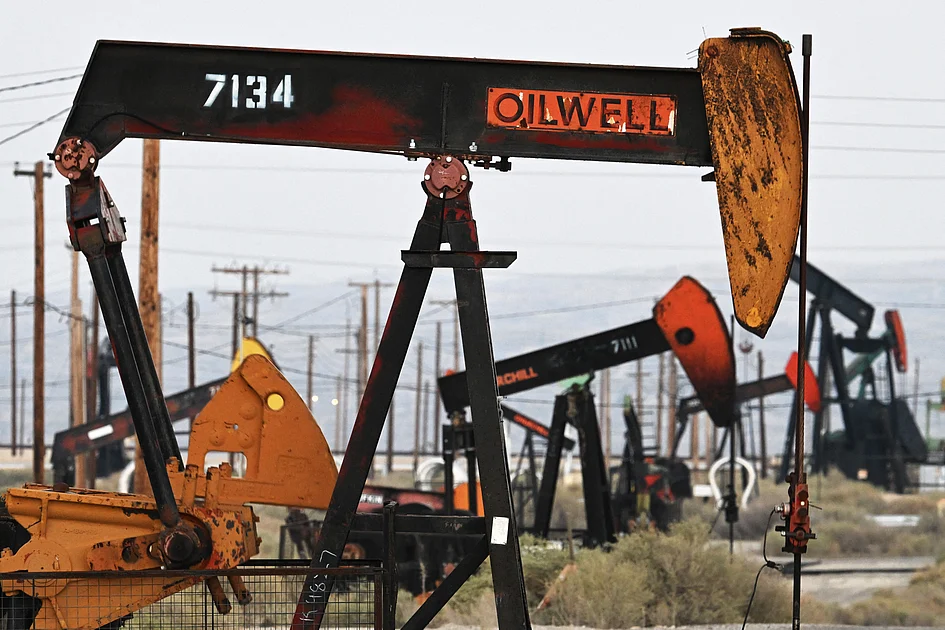
The energy sector presents a contrasting picture. Goldman anticipates Brent crude averaging $56 per barrel in 2026, with West Texas Intermediate around $52—substantially below current spot prices. This bearish outlook reflects resilient U.S. production, expanding non-OPEC output, and inventory builds that likely will cap prices absent major geopolitical disruptions or substantial OPEC+ intervention.
Copper occupies an intermediate position, expected to consolidate around $11,400 per ton throughout 2026 following previous gains. Goldman maintains long-term confidence in copper driven by ongoing electrification trends and infrastructure development, with potential Chinese stockpiling initiatives providing additional price support.
Battery metals face particular challenges, with lithium and nickel prices projected to decline further due to substantial Chinese investment in overseas production capacity. Goldman anticipates lithium prices falling an additional 25% by late 2026 as supply expansion outpaces electric vehicle demand growth.
Natural gas markets demonstrate regional variations within broader trends. While global LNG markets face potential oversupply with capacity increasing approximately 50% by 2030, the United States may experience price support as growing export volumes tighten domestic supply balances.
The report concludes that commodities have entered a period of structural divergence, where electricity, data infrastructure, and security considerations have become the new determinants of value, fundamentally decoupling traditional relationships between energy and metals markets.