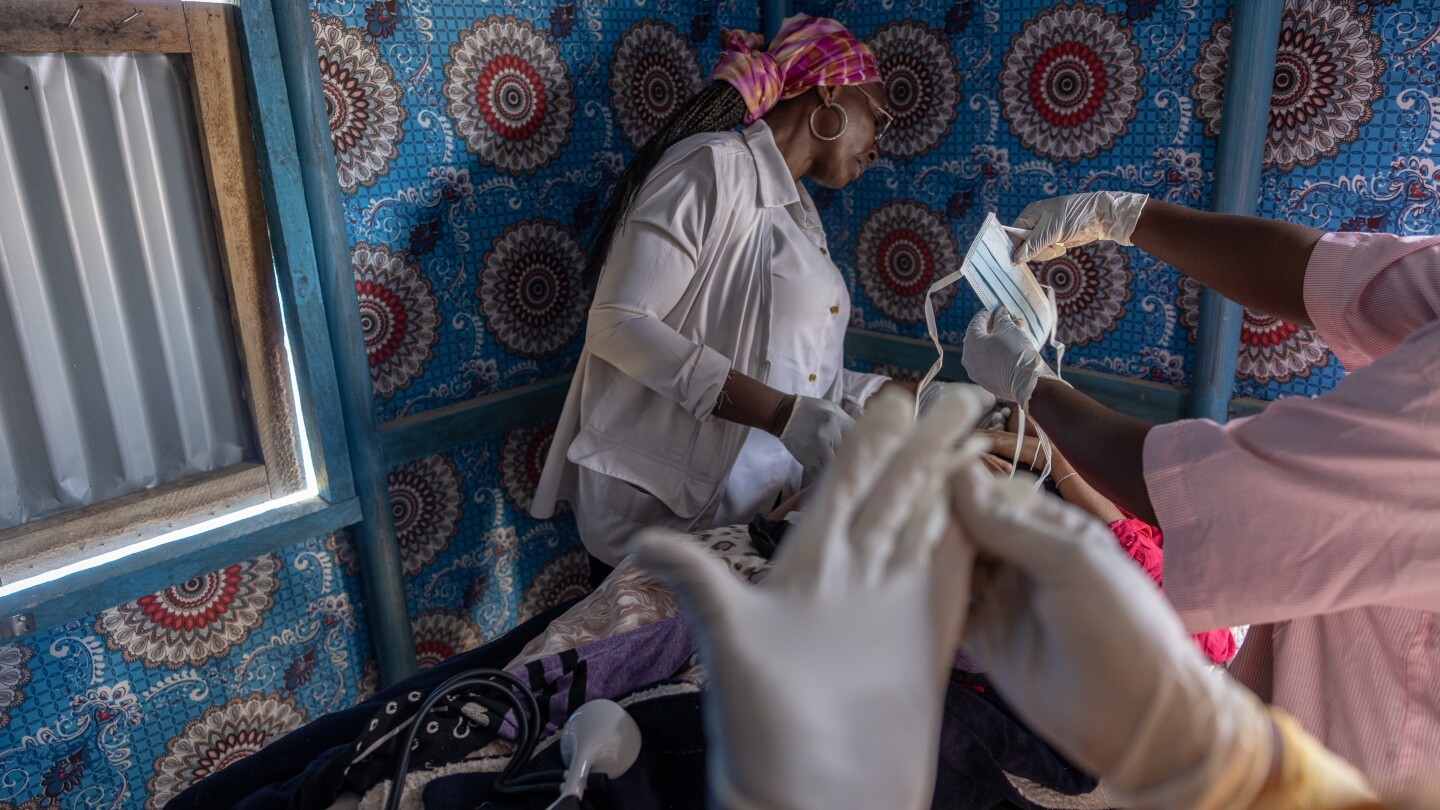
In a makeshift medical clinic in Douankara, Mauritania, a 14-year-old Malian girl fights for her life after surviving a brutal sexual assault allegedly committed by Russian Africa Corps fighters. Her case represents just one of numerous documented incidents of conflict-related sexual violence emerging from Mali’s decade-long insurgency, where a culture of silence perpetuates both human suffering and impunity.
The adolescent victim arrived at the Doctors Without Borders (MSF) facility in critical condition after a three-day journey from Mali. Medical staff discovered she had developed a severe infection following the assault, requiring immediate intervention to save her life. According to her family, Russian mercenaries—described as “white men”—stormed their tent in Mali, executed her uncle by decapitation, and then two soldiers dragged the girl away and raped her.
This case exemplifies a broader pattern of sexual violence occurring within Mali’s complex conflict landscape. The AP investigation has documented at least five separate allegations of sexual assaults attributed to Africa Corps personnel, Russia’s newly established military unit that replaced the Wagner Group six months ago. However, aid workers emphasize that the true scale remains obscured by cultural taboos and fear of retaliation.
Bethsabee Djoman Elidje, women’s health manager at the clinic, noted the profound challenges in treating sexual violence survivors: “We are convinced that there are many cases like this, but so far, very few patients come forward because it’s still a taboo subject here. They only seek help when complications develop.”
The problem extends beyond Russian mercenaries. Islamic militants affiliated with al-Qaida’s JNIM group have also been accused of sexual assaults, with one clinic in Mopti reporting 28 cases in six months. Yet the response differs significantly from other conflict zones—MSF’s Mirjam Molenaar observed that while Congolese women sought help “in huge numbers,” Malian survivors typically endure in silence, manifesting symptoms through severe post-traumatic stress.
Refugees described a climate of terror that prevents reporting. Several women who discreetly shared their experiences with AP journalists displayed visible trauma, with one showing scratch marks on her neck from resisting assault. Others recounted watching family members being abducted or described mass rape incidents dating back to Wagner Group operations in 2024.
The international response remains inadequate. Russia’s Defense Ministry ignored requests for comment, while a Kremlin-linked information agency dismissed the investigation as “fake news.” Meanwhile, Mali’s government has expelled UN peacekeepers, making independent verification of atrocities nearly impossible.
As the 14-year-old survivor receives psychiatric care—a rarity in a country with only six practicing psychiatrists—aid workers warn that countless others suffer silently, their stories untold and perpetrators unaccountable in a conflict that shows diminishing regard for human dignity.