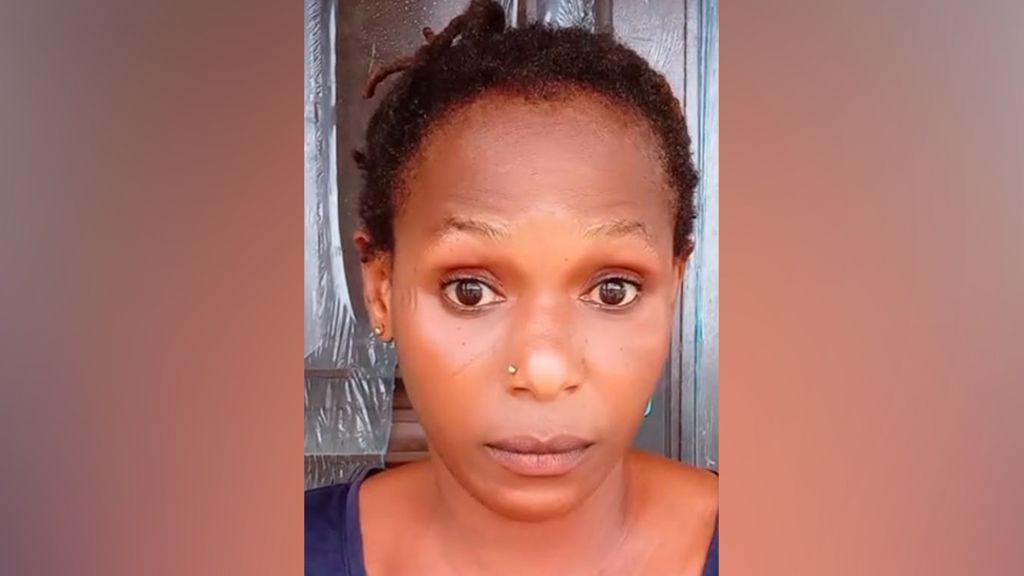
A prominent Ghanaian social media creator has been handed a 12-month custodial sentence after admitting to charges of offensive behavior and disseminating unsubstantiated false news targeting the country’s president, John Mahama, reigniting long-running tensions between regulating harmful misinformation online and protecting constitutionally guaranteed freedom of expression.
Forty-three-year-old Camilla Alhassan, who commands a following of more than 70,000 users on the short-form video platform TikTok, posted a string of videos in June and early July 2026 claiming without evidence that Mahama had carried out a ritual sacrifice of 32 cows to secure victory in the country’s upcoming 2024 general election. Alhassan extended her unproven claims to argue that a government-led program distributing sanitary pads to communities affected by recent flooding was intentionally designed to cover up her alleged ritual killing.
After rejecting legal requests for a non-custodial, lenient sentence, the presiding judge ruled that a prison term was required to deter other social media users from engaging in comparable harmful activity. Prosecutors had argued during proceedings that Alhassan’s false and defamatory accusations against the sitting president posed a unique risk due to their wide reach across the platform. The creator’s arrest earlier this month, triggered by the viral spread of her videos, has opened a new national conversation in Ghana about how to address the growing crisis of social media misinformation without eroding core democratic rights.
In his ruling, the judge emphasized that the sentence was a necessary intervention to slow the proliferation of falsehoods, which have become increasingly common across major social media platforms in the country. Alhassan’s case is not an isolated incident: in September 2025, another high-profile Ghanaian TikToker, David Kwodwo Prah Afful, widely known by his online alias Kwame Nkrumah II, was sentenced to seven months in prison after being convicted of issuing death threats and engaging in offensive conduct that threatened public peace. Afful had threatened to assassinate President Mahama and multiple members of Ghana’s parliament in a viral online video.
The current administration has been moving to strengthen oversight of social media content for more than a year. During a public press briefing last year, President Mahama stated that the government was exploring new strategies to “sanitise” social media platforms, directing law enforcement and regulatory bodies to identify and prosecute individuals spreading harmful misinformation and disinformation. “I’m sending a clear signal to all Ghanaians: if you spread falsehoods, peddle hate speech, or make statements calculated to cause fear and panic across the public, we will find you and hold you accountable,” the president said at the time.
Twelve months ago, Ghana’s Communications Minister Samuel Nartey George unveiled plans for new legislative action targeted at curbing misinformation. The draft legislation is intended to establish a formal legal framework for enforcement of content rules, while including provisions designed to protect freedom of expression from overreach.
Ghana is consistently recognized as one of West Africa’s most robust democracies, with explicit constitutional protections for freedom of expression and a historically open, diverse media ecosystem. However, rising anxiety over the rapid spread of false and harmful information on social media over the past five years has pushed policymakers to call for stricter regulation, even as human rights organizations warn that heavy-handed enforcement could erode the country’s long-standing commitment to free speech.