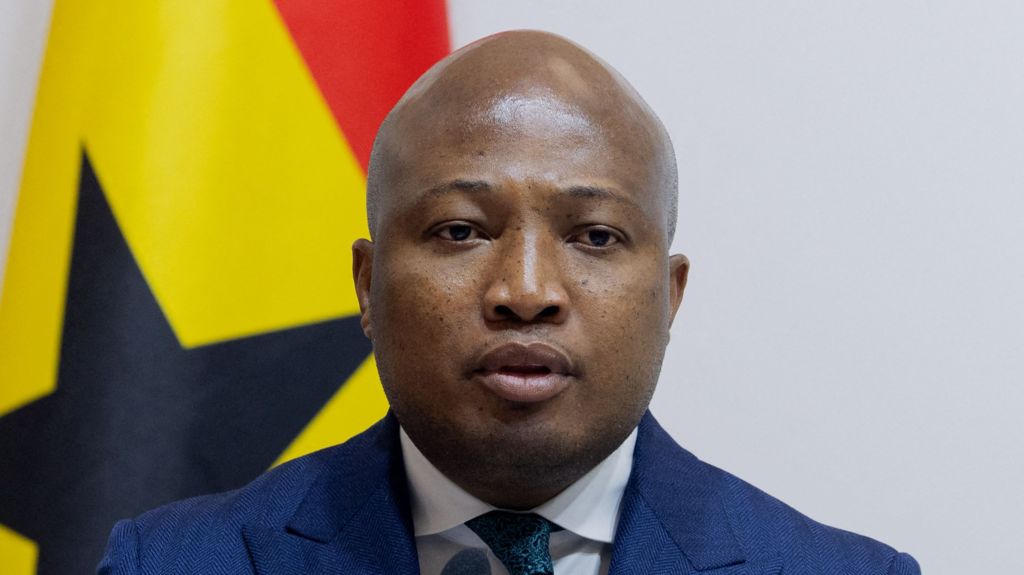
In a landmark move at the United Nations General Assembly, Ghana is spearheading a resolution to formally recognize the transatlantic slave trade as the most severe crime against humanity in human history. The African nation’s Foreign Minister, Samuel Okudzeto Ablakwa, characterized the centuries-long practice as “the most horrendous crime that took place in the history of mankind” in recent statements to the BBC.
The comprehensive resolution proposes several consequential measures, including urging UN member states to issue formal apologies for their historical roles in slavery and contribute to an international reparations fund. The proposal specifically advocates for establishing educational endowments, skills training programs, and support systems for the descendants of slavery victims rather than direct payments to governments.
This initiative faces anticipated resistance from several Western nations, including the United Kingdom, which have historically rejected financial reparations based on the premise that contemporary institutions cannot bear responsibility for historical wrongs. Despite this opposition, the resolution has gained significant backing from the African Union and other international supporters who view it as essential for historical justice and collective healing.
Ghana’s historical position as one of the primary departure points for enslaved Africans—with an estimated 12-15 million people forcibly transported to the Americas between 1500 and 1800, and over two million perishing during the treacherous journey—lends particular moral authority to its advocacy. Beyond financial considerations, the resolution demands the repatriation of cultural artifacts looted during colonial periods, which Ablakwa emphasized “represent our heritage, our culture and our spiritual significance.”
Ghanaian President John Dramani Mahama has hailed the resolution as both “historic” and a “safeguard against forgetting,” positioning it as a crucial step in addressing historical injustices that continue to reverberate through global societies today.