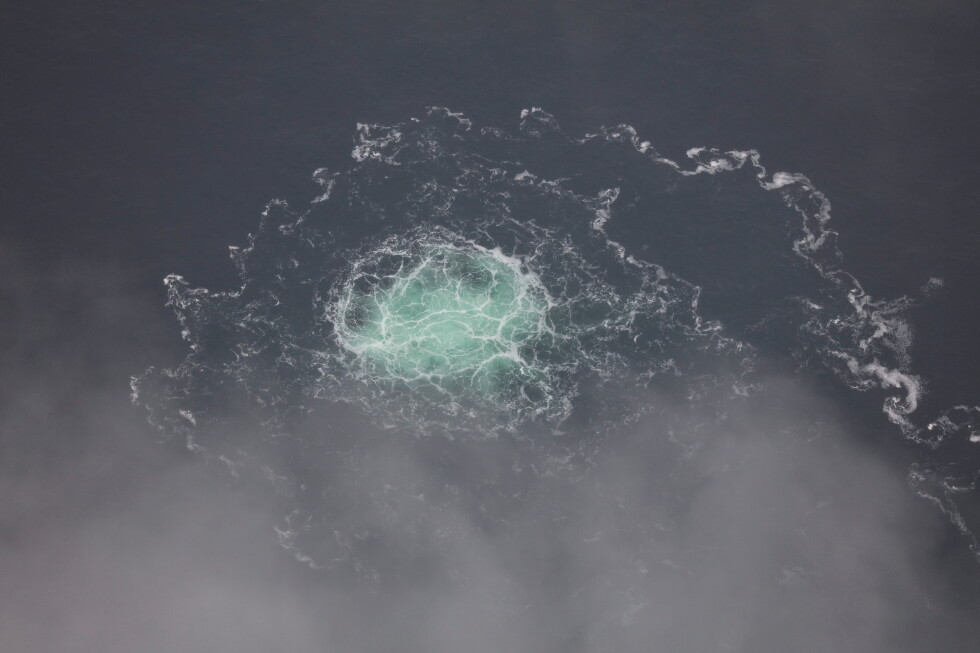
Four years after coordinated undersea blasts tore through the Nord Stream natural gas pipeline network linking Russia and Germany, German federal prosecutors have officially brought criminal charges against a former Ukrainian army officer in connection with the attack, the office confirmed Thursday.
Per German privacy regulations, authorities are only identifying the suspect as Serhii K. The charges leveled against him include explosive endangerment, intentional property damage, disruption of public infrastructure, and acting as an accomplice to war crimes through the deliberate targeting of civilian assets, prosecutors outlined in an official public statement.
The September 26, 2022 bombings damaged both strands of the Nord Stream system, which were constructed to carry Russian natural gas to Western Europe via the Baltic Sea. The sabotage came at a moment of already sky-high global energy and geopolitical tension, just seven months after Russia launched its full-scale invasion of Ukraine. At the time of the attack, European nations were already racing to sever their long-standing energy ties to Moscow to cut off a key source of revenue for the Kremlin and pressure Russia to end its military campaign.
Prosecutors’ investigation confirms the alleged plot’s core objective was to permanently disable the pipeline network, cutting off Russia’s ability to earn critical foreign currency from gas exports to fund its military operations in Ukraine.
The case has progressed rapidly since authorities first took Serhii K. into custody. He was arrested in August during a raid on a vacation bungalow in a small Italian village, where he had been staying with family members. Law enforcement officials confirm he surrendered peacefully to arresting officers, and he was extradited to German custody to face investigation in November 2024.
Investigative findings show Serhii K. and other co-conspirators used a private yacht to carry out the attack, launching the vessel from the northern German port of Rostock. The yacht was rented from a German maritime company using forged identification documents and coordinated through a network of intermediaries, according to evidence gathered by prosecutors.
Of the two affected pipelines, the 2022 blasts ruptured Nord Stream 1 — for years Russia’s primary natural gas export route to Germany, which had already been shut off by Moscow just one month before the attack. The bombing also damaged the never-operational Nord Stream 2, which had its German certification halted by Berlin just weeks before Russia’s full-scale invasion, following widespread international pressure.
The Nord Stream project had drawn fierce criticism from the United States and many of its allies for years before the attack, with Western leaders repeatedly warning that the pipelines would increase Europe’s political and economic dependence on Russian energy. In the years following the blasts, Russia has leveled unsubstantiated accusations that the U.S. orchestrated the attack, claims Washington has repeatedly and firmly denied.