German corporate investments in China reached a four-year peak in 2025, soaring to over €7 billion ($8 billion) during January-November—a striking 55.5% increase from the €4.5 billion recorded in both 2023 and 2024. This substantial growth, documented by the IW German Economic Institute in previously unreported data compiled for Reuters, highlights how Donald Trump’s aggressive trade policies have redirected European business focus toward China as a strategic alternative.
The investment surge coincides with heightened U.S. tariffs on EU imports during Trump’s first year back in office, prompting Germany’s top enterprises to strengthen supply chains and localize production within China. According to Juergen Matthes, head of international economic policy at IW, companies are accelerating Chinese operations to mitigate risks from geopolitical conflicts and potential trade disruptions. ‘Many companies conclude that producing in China for China reduces exposure to tariffs and export restrictions,’ Matthes noted.
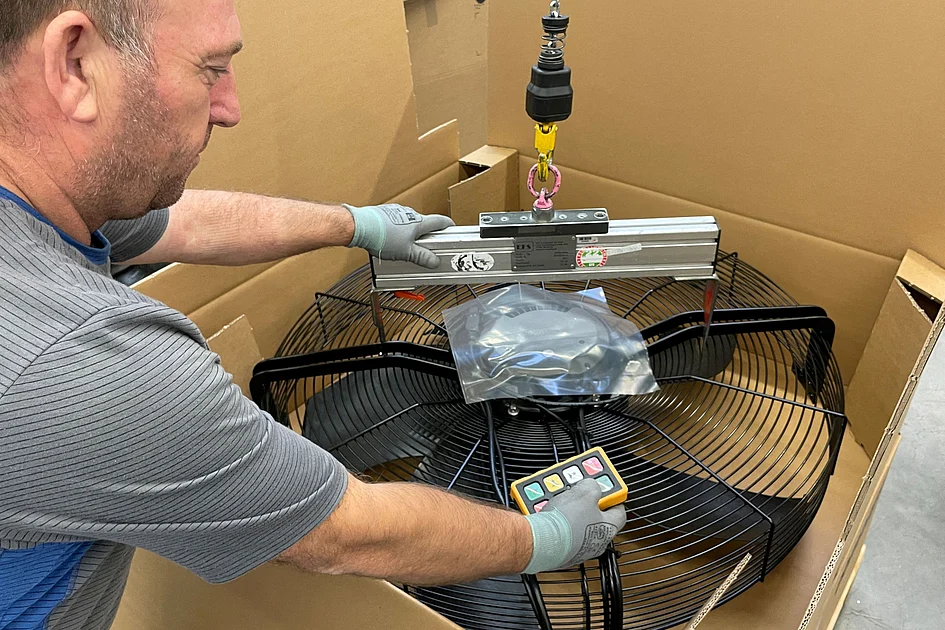
Major German corporations—including BASF, Volkswagen, Infineon, and Mercedes-Benz—remain deeply embedded in the Chinese market, which dominates global sales for automobiles and chemicals. For instance, ebm-papst, a leading manufacturer of fans and motors, invested €30 million in expanding its Chinese operations, representing over one-fifth of its total investments last year. The company described this approach as ‘an important anchor of stability’ during times of economic uncertainty.
Concurrently, China reclaimed its position as Germany’s primary trading partner in 2025, after being temporarily surpassed by the United States in 2024. The shift underscores a broader realignment in global trade dynamics, as European governments and businesses seek to balance economic cooperation with geopolitical caution.