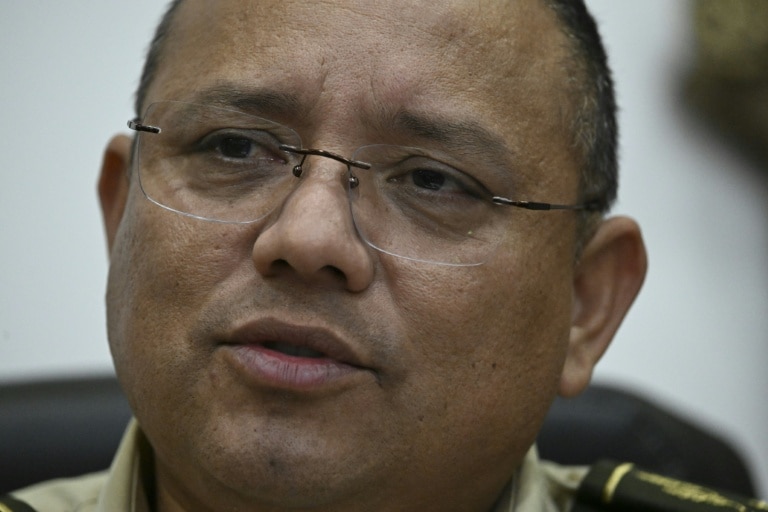
Guatemala’s Defense Minister Henry Saenz has articulated a distinct approach to combating gang violence, positioning the nation’s strategy in direct contrast to the controversial methods employed by neighboring El Salvador. In an exclusive interview with AFP, Saenz emphasized that Guatemala’s ongoing security operations have successfully dismantled criminal networks while rigorously upholding human rights protections.
The current crackdown was precipitated by a severe escalation of violence in mid-January, when gang-affiliated inmates orchestrated coordinated hostage situations across three prisons. These events culminated in the deaths of 11 police officers and triggered President Bernardo Arevalo to declare a month-long state of emergency. Military and police forces remain deployed across six departments as a preventive measure.
Minister Saenz provided concrete metrics demonstrating the operation’s effectiveness: a 50 percent reduction in street killings and a 33 percent decline in extortion activities. These outcomes were achieved through strategic disruption of gang communications, effectively paralyzing their command structures. Saenz attributed this success to operating within a strict legal framework that requires judicial authorization for all raids and operations.
While acknowledging the popularity of Salvadoran President Nayib Bukele’s results in reducing violence, Saenz explicitly rejected emulating methods that have drawn international condemnation for human rights violations. Guatemala is instead developing a maximum-security prison designed to meet international certification standards, explicitly rejecting the overcrowded conditions prevalent in El Salvador’s facilities.
The Defense Minister reported that after two months of intensive operations, no formal complaints regarding human rights abuses have been registered. This record, he maintains, demonstrates that effective security policy can coexist with respect for civil liberties. Guatemala’s approach represents a deliberate choice to pursue what Saenz characterized as ‘the longer but better road’ – one that strengthens democratic institutions while combating criminal elements.
Looking regionally, Saenz expressed optimism about hemispheric cooperation against drug trafficking, noting Guatemala’s active participation in United States-led initiatives against cartels. This collaborative framework, he suggested, signals ‘good times coming for the hemisphere’ in the shared battle against transnational criminal organizations.