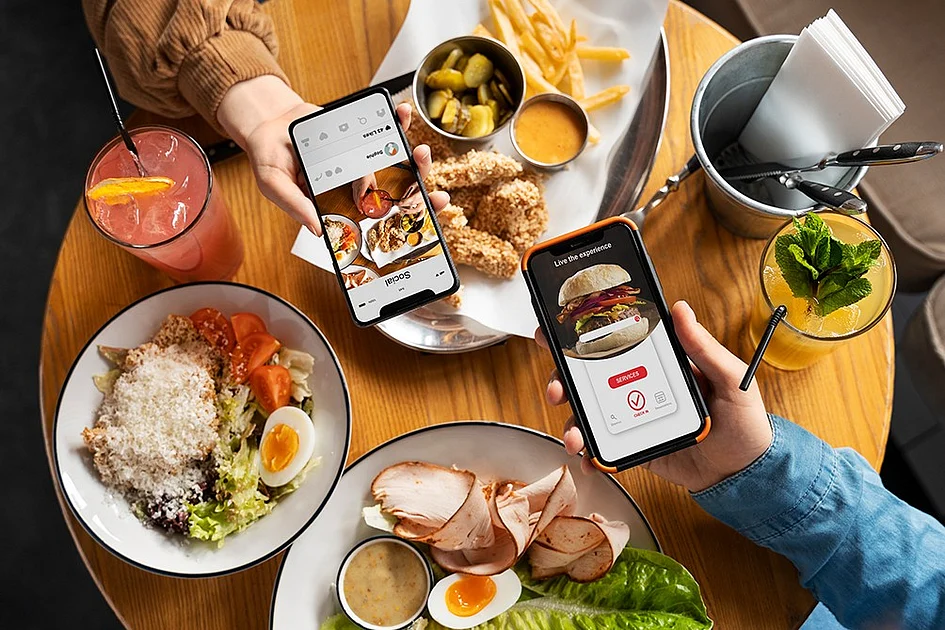
The Gulf Cooperation Council (GCC) region is experiencing a fundamental transformation in its food and beverage sector, driven by a new generation of digitally-native consumers who are rewriting the established rules of dining. This paradigm shift represents a dramatic departure from traditional restaurant dynamics that once dominated the regional landscape.
A Digital Payment Revolution has become the cornerstone of this new dining ecosystem. According to a 2026 Visa report, an astonishing 80% of transactions in the UAE are now cashless, with smartphones replacing wallets as the primary payment method. This transformation spans from luxury establishments to modest kiosks, making seamless digital payment integration an absolute necessity rather than an optional feature for F&B operators.
The emergence of Hyper-Convenience Culture has fundamentally altered consumption patterns. With internet penetration exceeding 90% across GCC nations, app-based food ordering has evolved from novelty to normalcy. Social media platforms have accelerated this digital migration, creating instant pathways from food discovery to purchase without leaving the application interface. Industry projections indicate online orders will constitute over 40% of total sales in certain food categories within this decade, fueling the rapid expansion of cloud kitchens that operate with significantly reduced overhead costs.
Demographic forces are amplifying this transformation, with nearly 70% of the GCC population under age 35. This youth-dominated market prioritizes speed, personalization, and value over brand heritage alone. Research indicates approximately three-quarters of consumers have switched brands within the past year, demonstrating that promotional offers and perceived value frequently outweigh longstanding brand loyalty.
The Visual Economy of dining has emerged as a critical factor, particularly among younger demographics. Food must not only satisfy taste buds but also serve as shareable digital content, with multi-colored desserts and limited-edition formats gaining popularity through platforms like TikTok and Instagram. This visual-centric approach has redirected marketing budgets toward creator partnerships and experiential launches that generate organic social media traction.
Psychological engagement through Gamified Loyalty Systems represents another strategic shift. Points, badges, tier upgrades, and time-limited challenges have transformed routine purchases into progression journeys, with regional platforms increasingly integrating tiered rewards and digital scoring mechanisms to drive customer retention and gather valuable consumer data.
This comprehensive transformation necessitates a Strategic Reset for F&B operators. Digital infrastructure has transitioned from optional to essential, promotional agility has become critical in value-driven markets, physical formats must accommodate delivery demands, and marketing strategies require interactive elements. Success in this new landscape will belong to the most adaptive operators who recognize that the region hasn’t merely upgraded its technology—it has fundamentally elevated its expectations of the dining experience.