Foreign ministers from the Group of Seven nations commenced a critical two-day gathering outside Paris on Thursday, aiming to repair transatlantic fractures over Middle East policy while maintaining focus on multiple global crises. The meeting at Vaux-de-Cernay Abbey unfolds against a backdrop of escalating tensions, with the White House threatening to unleash severe consequences if Iran refuses to cease hostilities.
In a departure from diplomatic norms signaling profound policy divergences, the session will conclude without a traditional joint communique. Instead, the French presidency will issue a singular statement, according to anonymous diplomatic sources. This procedural shift underscores the challenging negotiations between the United States and its European allies regarding appropriate responses to Iran’s regional activities.
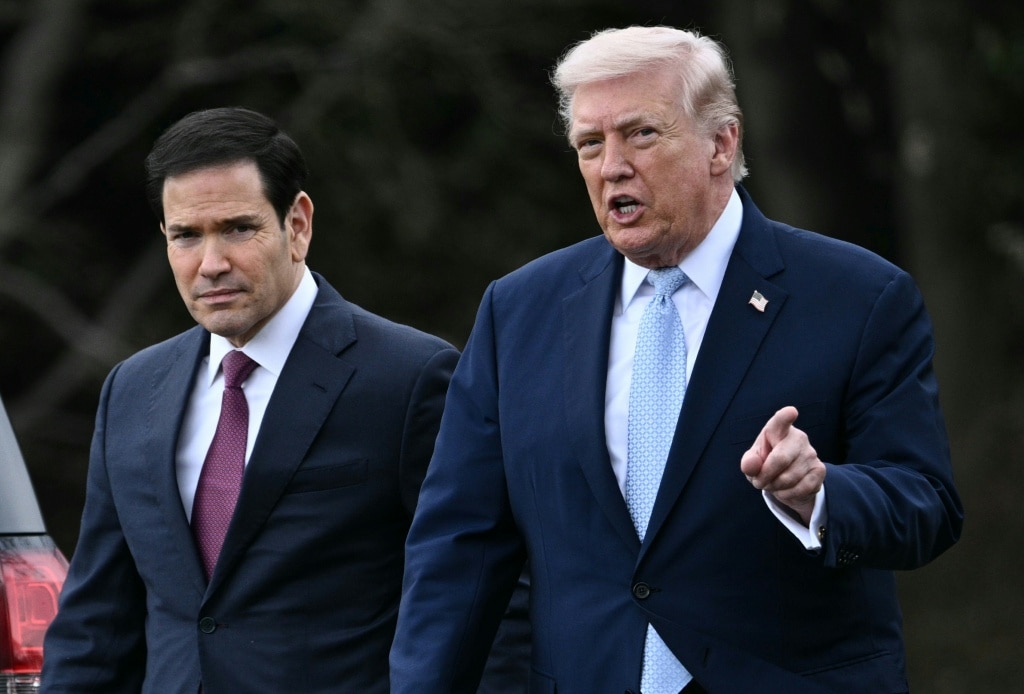
US Secretary of State Marco Rubio joins the discussions on Friday, marking his first international engagement since the conflict’s inception. He will convene with counterparts from Canada, Germany, Italy, France, Japan, and the United Kingdom amid growing concerns about regional escalation. French Foreign Minister Jean-Noel Barrot emphasized the meeting’s objective to address “major global imbalances” contributing to current international tensions.
The agenda includes dedicated sessions on global governance reform, Iran, and Ukraine. Notably, France has expanded participation by inviting representatives from Brazil, India, Ukraine, Saudi Arabia, and South Korea—recognizing the need for broader engagement beyond the traditional G7 framework.
European leaders expressed particular concern about Trump administration policies, with German Finance Minister Lars Klingbeil citing “misguided policies” negatively affecting Germany’s economy. Meanwhile, British Foreign Minister Yvette Cooper noted with concern how the Iran situation has diverted attention from Gaza and West Bank violence.
Despite these tensions, Barrot reaffirmed the G7’s unwavering support for Ukrainian resistance against Russian aggression, emphasizing continued pressure on Moscow over four years into the full-scale invasion.