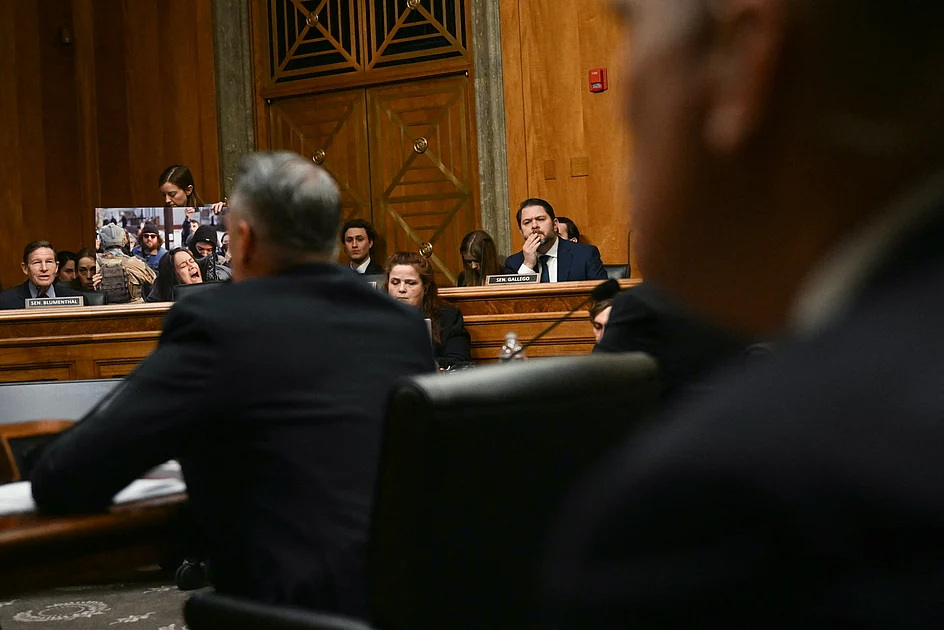
The US Department of Homeland Security initiated a partial shutdown on Saturday, February 14, 2026, as Congressional negotiations reached an impasse over funding allocations. This development marks the third government closure during President Donald Trump’s second term, affecting thousands of federal employees across multiple agencies.
The budgetary stalemate centers primarily on Immigration and Customs Enforcement (ICE), with Democratic lawmakers demanding significant operational reforms before approving any new funding. These demands include restricted patrol protocols, prohibition of face masks during operations, and mandatory judicial warrants for private property entries. The controversy intensified following recent incidents in Minneapolis where ICE agents fatally shot two US citizens during widespread operations.
House Minority Leader Hakeem Jeffries accused Republicans of having “zero interest in getting ICE under control,” emphasizing that “dramatic changes are needed” to prevent further shutdowns. Conversely, White House Press Secretary Karoline Leavitt characterized the situation as Democratic lawmakers “barreling our government towards another shutdown for political and partisan reasons.”
Despite the departmental shutdown, ICE operations will continue under previously approved funding from last year’s spending bill. Senator John Fetterman noted that “this shutdown literally has zero impact on ICE,” while acknowledging significant consequences for other agencies including FEMA and the Transportation Security Administration. TSA officials warned that prolonged closure could result in extended wait times and potential flight cancellations nationwide.
The Senate adjourned for a weeklong recess beginning Thursday, though legislators remain on standby should negotiations resume. Previous shutdowns have yielded some concessions, including Homeland Security Secretary Kristi Noem’s mandate for federal agents to wear body cameras following public outcry over the Minneapolis incidents. Senate Majority Leader John Thune acknowledged the White House’s “extremely serious offer” for immigration policy negotiations while cautioning that Democratic demands would not be fully met.
With Senate rules requiring 60 votes to advance the budget bill, bipartisan cooperation remains essential despite current political tensions. The government recently emerged from a four-day partial shutdown earlier this month, also concerning DHS funding disputes.