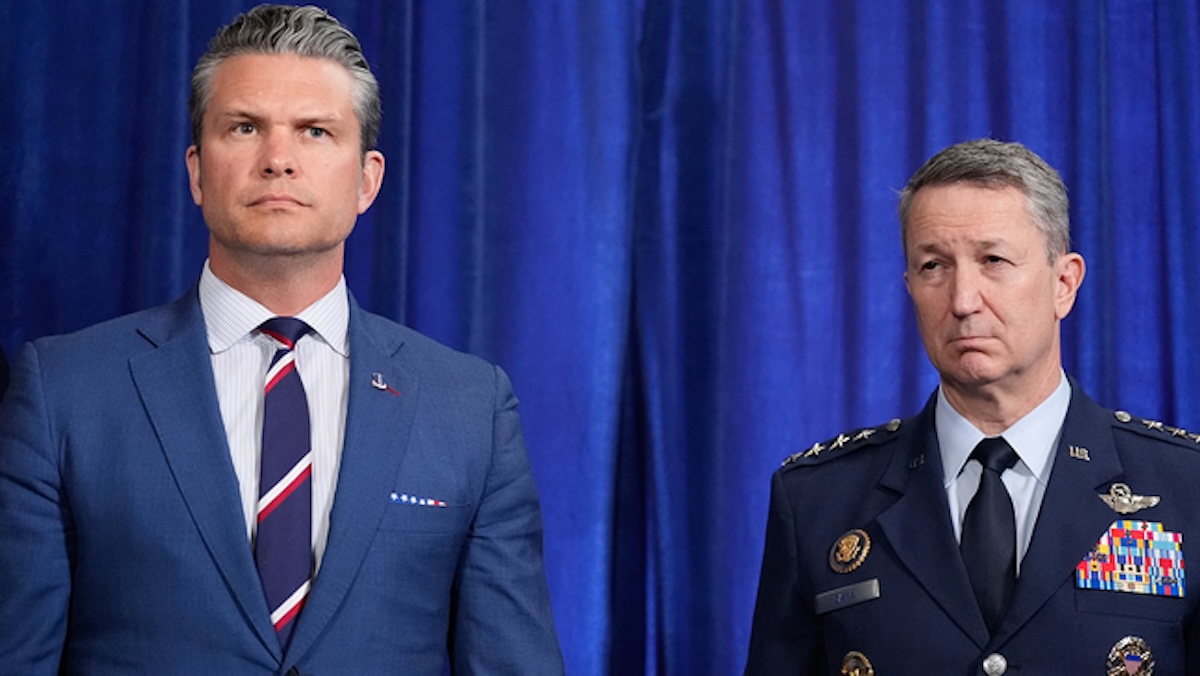
Financial Times has revealed that a broker representing US Defense Secretary Pete Hegseth attempted to arrange a substantial multimillion-dollar investment in defense industry stocks just weeks before the United States and Israel initiated military operations against Iran. According to three anonymous sources, the broker from Morgan Stanley contacted BlackRock in February regarding the Defense Industrials Active ETF, which includes major contractors like RTX, Lockheed Martin, Boeing, and Northrop Grumman.
The timing of the investment inquiry—weeks before the February 28 bombing campaign began—has raised significant ethical concerns, particularly given Hegseth’s role as the most prominent advocate for military action against Tehran within the Trump administration. The investment ultimately did not proceed because the fund was unavailable to Morgan Stanley clients at the time.
The Pentagon has vehemently denied the allegations, with spokesperson Sean Parnell calling the report “entirely false and fabricated” and demanding an immediate retraction from the Financial Times. Despite these denials, the newspaper reported that BlackRock internally flagged the broker’s inquiry due to the high-profile nature of the potential client.
Market analysts note the proposed investment would not have yielded immediate returns, as the defense ETF has declined over 12% in the past month. However, the allegation has sparked concerns about potential insider knowledge and market manipulation among administration officials seeking to profit from military conflicts.
Richard Nephew, former anti-corruption coordinator at the State Department, commented that such behavior would have been considered a clear ‘no no’ in previous administrations that prioritized anti-corruption measures. Economist Justin Wolfers suggested that in a functional democracy, Hegseth would offer his resignation over the allegations.
The controversy emerges as President Trump revealed that Hegseth was initially disappointed about the prospect of the conflict ending quickly, indicating the Defense Secretary’s hawkish stance on continuing military engagement with Iran.