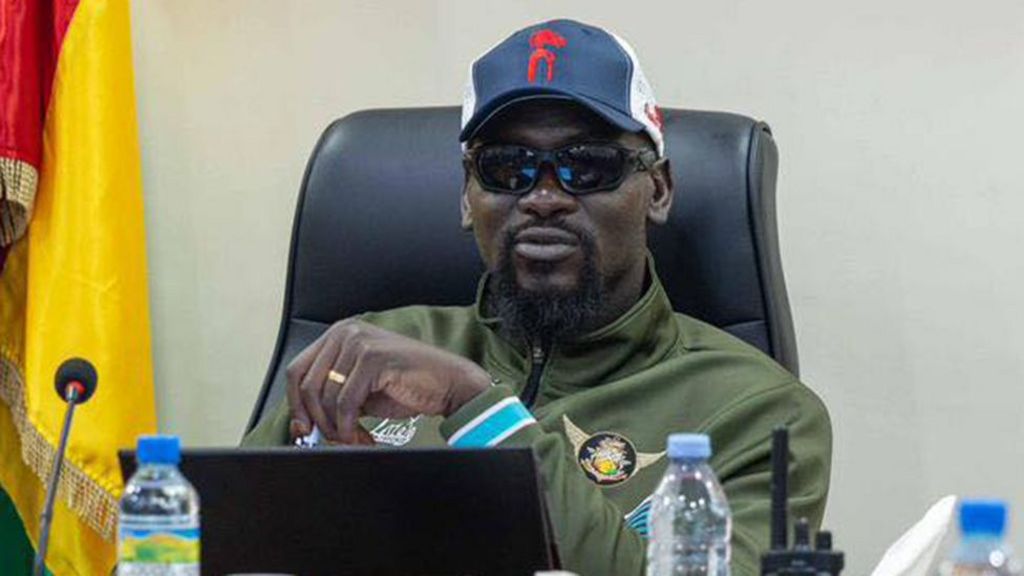
Colonel Mamadi Doumbouya, who seized power in Guinea through a military coup in September 2021, is poised to be sworn in as the nation’s elected president on Saturday following a controversial electoral process. The 41-year-old former special forces commander, who initially promised not to seek elected office, secured 87% of the vote in December’s election against a severely constrained opposition field.
Doumbouya’s political transformation has been accompanied by a deliberate image makeover. The once-imposing military figure, known for his mirrored sunglasses and red beret, has increasingly adopted civilian attire—baseball caps, tracksuits, and traditional Guinean boubous—while engaging in public activities such as school openings and cycling through Conakry’s streets. This carefully curated presentation aims to project him as a civilian leader working on behalf of the people, according to security analyst Beverly Ochieng of Control Risks.
Despite his popular support evidenced by Afrobarometer polls showing trust in the president growing from 46% to 53% between 2022-2024, Doumbouya faces significant criticism over his democratic credentials. Exiled former Prime Minister Cellou Dalein Diallo has dismissed the election as a charade with fabricated results. Researchers point to banned political demonstrations, excluded opposition candidates, suspended parties, and mysterious disappearances of activists and journalists as evidence of democratic backsliding.
Doumbouya’s governing philosophy emphasizes national sovereignty and resource nationalism. His government has canceled dozens of mining contracts deemed insufficiently beneficial to Guinea and is pursuing greater local processing of mineral resources. The development of Simandou’s massive iron-ore deposits, partially owned by Chinese and Western companies, represents a potential economic transformation that could define his presidency.
Internationally, Doumbouya has maintained a pragmatic approach, avoiding the outright rejection of France seen in other West African coup states despite his French education and marriage to a French citizen. His administration promises to invest mining revenues in infrastructure, health, and education as Guinea seeks to leverage its natural resources despite persistent poverty.