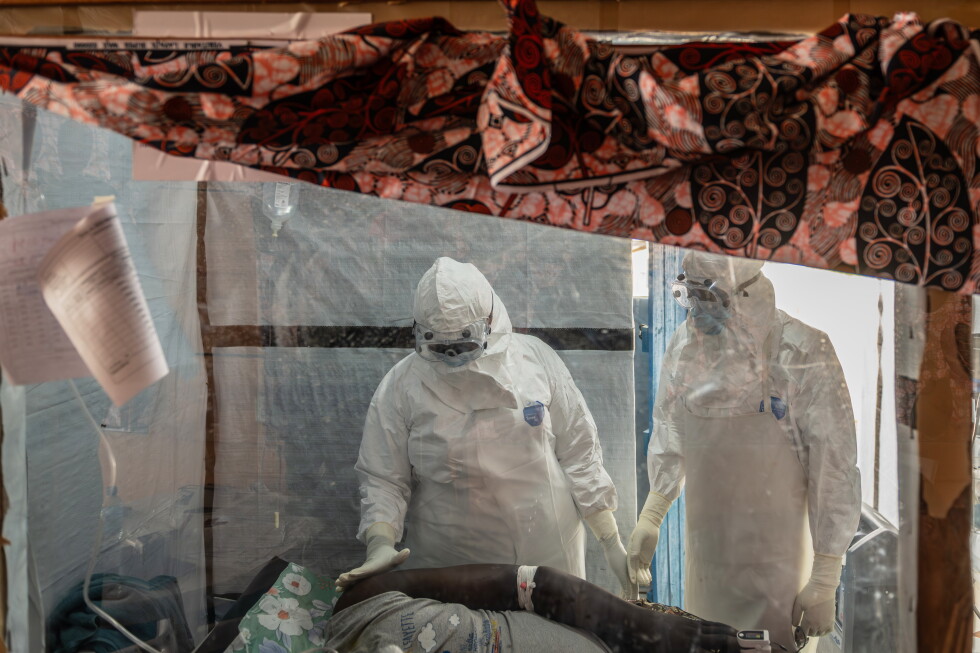
On Wednesday, French health authorities announced the country’s first confirmed Ebola case linked to the ongoing outbreak in the Democratic Republic of Congo, marking a worrying cross-border spread of the currently untreatable virus. The unnamed patient, who had just completed a humanitarian deployment in one of Congo’s active Ebola transmission zones, was quickly taken into specialized medical care immediately after entering French territory.
According to the French Ministry of Health, the patient is currently in stable condition, and all required infection control protocols were activated from the moment the case was flagged. Strict isolation protocols were implemented, and the patient was transported to a specialized treatment facility via secure pathways designed to eliminate any risk of community contamination. Public health teams have also launched a full epidemiological investigation to track down every person who may have had close contact with the infected individual. All identified contacts will be placed under 21-day at-home isolation, a period matching the virus’s maximum incubation window, and monitored closely for any early symptoms of infection.
The case comes as Congo grapples with a growing public health crisis that has so far recorded 1,094 confirmed Ebola infections and 277 confirmed deaths, according to Congolese health ministry data. What makes this outbreak particularly dangerous is that it is caused by the rare Bundibugyo Ebola strain, for which no approved vaccines or specific antiviral treatments currently exist.
Outbreak officials have warned that the true caseload is likely much higher than official counts, as many infections in remote affected areas remain undetected. Since the outbreak was first officially declared on May 15, transmission has continued to accelerate, and experts caution that the worst of the crisis is still ahead. This imported case in France underscores the ongoing global risk posed by unmanaged Ebola outbreaks in central Africa, even as wealthy nations maintain robust systems to contain the virus after it crosses their borders.