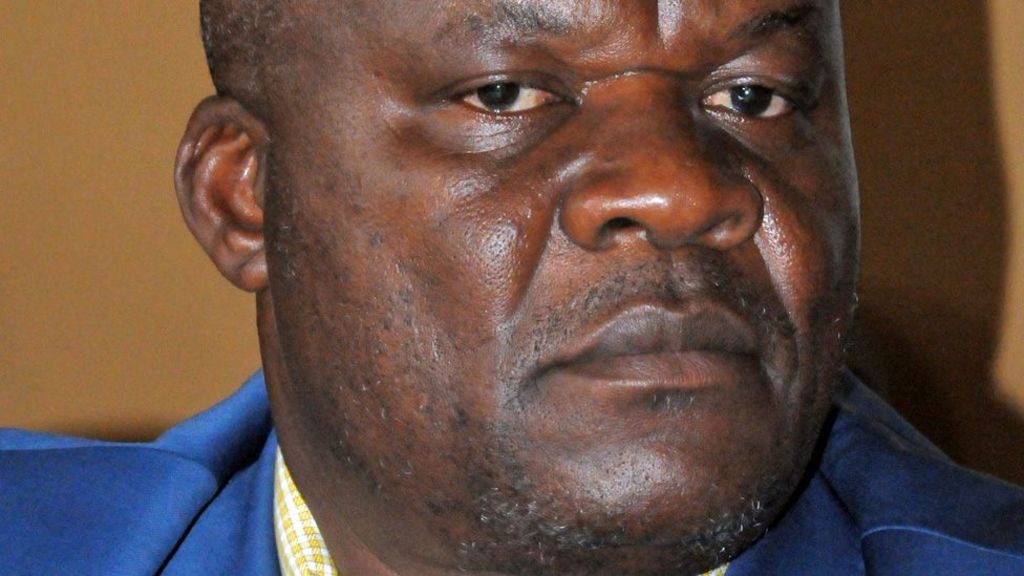
In a landmark ruling demonstrating the reach of universal jurisdiction, a Paris court has convicted former Congolese rebel commander and politician Roger Lumbala to three decades imprisonment for complicity in crimes against humanity. The 67-year-old, apprehended in France nearly five years ago, was found culpable for atrocities perpetrated during the Second Congo War (1998-2003).
Presiding judges determined Lumbala, who led the Uganda-backed Rally of Congolese Democrats and Nationalists (RCD-N), ordered or facilitated torture, summary executions, sexual slavery, systematic rape, forced labor, and widespread theft. These violations characterized the brutal ‘Erase the Slate’ campaign targeting Nande and Bambuti communities in northeastern DR Congo during 2002-2003, whom Lumbala’s forces accused of supporting rival militias.
Despite his detention in France, Lumbala refused to recognize the court’s authority and abstained from the trial proceedings, though he was present for Monday’s verdict delivery. His political career included roles as a minister in Congo’s transitional government (2003-2005) and later as a parliamentarian before an arrest warrant alleging support for the active M23 rebel group prompted his flight to France.
The case—prosecuted under France’s universal jurisdiction laws enabling trials for severe international crimes committed abroad—relied heavily on testimony from 65 survivors, witnesses, and experts. NGOs including Trial International and the Clooney Foundation for Justice provided critical support for victim testimony and expert analysis.
Survivors David Karamay Kasereka and Pisco Sirikivuya Paluku, in a joint statement, expressed that ‘the truth matters’ despite their fear, noting they wished to have confronted Lumbala directly but viewed the verdict as reclaiming parts of themselves taken by violence. Their accounts detailed neighbors and relatives tortured and killed, personal injuries, and sexual violence against loved ones.
While prosecutors sought life imprisonment, Lumbala’s defense decried the 30-year sentence as excessive and retains the right to appeal within ten days. Human rights advocates hailed the decision as a historic step toward accountability in a conflict that claimed millions of lives and has seen numerous militia leaders tried by the International Criminal Court.