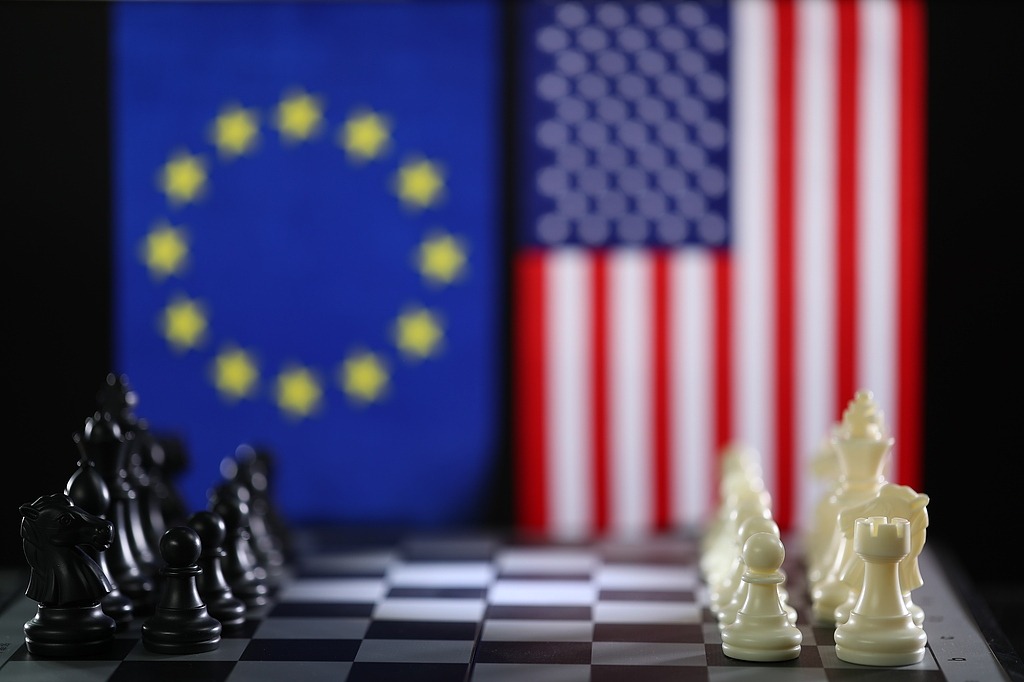
European powers are mobilizing a coordinated response against Washington’s dramatic escalation of global trade levies, with France declaring the bloc possesses formidable countermeasures while Germany seeks a unified diplomatic approach.
Following the US Supreme Court’s landmark ruling that invalidated numerous existing tariffs as illegal, the Biden administration has moved aggressively to implement a sweeping flat tariff structure. Initial 10% global levies announced Friday were abruptly raised to 15% on Saturday, signaling a hardening US trade stance.
French Trade Minister Nicolas Forissier revealed in a Financial Times interview that Paris is actively consulting with EU counterparts and the European Commission regarding retaliatory options. “Should it become necessary, the EU has the appropriate instruments at its disposal,” Forissier stated, indicating the bloc’s readiness to deploy economic countermeasures.
Among the potential weapons in Europe’s arsenal is the recently developed “trade bazooka”—an anti-coercion instrument granting Brussels broad authority to implement export controls, service tariffs, and exclusion of US technology firms from lucrative EU procurement contracts. Additionally, a suspended package of retaliatory tariffs targeting over €90 billion ($106 billion) in American goods remains available for activation.
Simultaneously, German Chancellor Friedrich Merz announced plans to consolidate a common European position ahead of his Washington visit scheduled within the coming week. “Customs policy is a matter for the European Union, not for individual member states,” Merz emphasized during an ARD broadcaster appearance, underscoring the bloc’s determination to present a united front.
Despite the escalating trade tensions, Merz identified a silver lining in the Supreme Court’s intervention, noting: “For me, there is a reassuring element in yesterday’s Supreme Court decision: the separation of powers in the USA still seems to be working.”
The US judicial ruling has triggered international scrutiny, with Croatian economist Ljubo Jurcic describing it as a “major setback for a flawed economic model” that ultimately damaged American interests. Portuguese commentator Rui Cardoso criticized the EU’s previous conciliatory approach, suggesting recent developments demonstrate Brussels “did not need to concede as much as it did” in earlier trade negotiations.