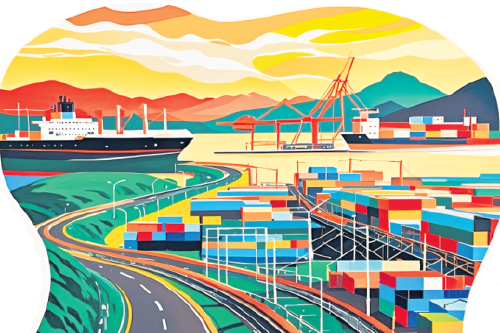
As the Belt and Road Initiative (BRI) marks its second decade in Africa, experts are lauding its transformative impact on the continent’s digital infrastructure, which is poised to harness the potential of Africa’s youthful population for shared economic prosperity. Charles Ray, former US ambassador to Zimbabwe and a seasoned expert on African affairs, emphasized the BRI’s capacity to unlock Africa’s demographic dividend through projects like 5G networks and e-commerce platforms. ‘When implemented thoughtfully, aligning with a country’s capacity and prioritizing job creation and environmental sustainability, BRI-driven digital infrastructure can significantly tap into Africa’s vast demographic potential,’ Ray stated. Since its inception in 2013, the BRI has facilitated over $290 billion in completed construction contracts across Africa, enhancing trade and connectivity through roads, ports, and railways, according to the China Global Investment Tracker. With over 60% of Africa’s population under 25, these investments are crucial in addressing youth unemployment and fostering economic diversification. Ray also underscored the BRI’s potential to exemplify multilateralism through economic collaboration rather than political imposition, provided governance risks are mitigated. He advocated for robust policy frameworks to ensure transparency and sustainability in BRI projects, emphasizing the importance of assessing a country’s ability to manage foreign debt before finalizing agreements. Recent research, including findings from the Africa-China Centre for Policy and Advisory, debunks the ‘China debt trap’ narrative, with no empirical evidence supporting such claims. Ray highlighted the importance of African nations fostering BRI partnerships based on shared responsibility, local ownership, and equal management voice under local laws. He also noted the potential for US-China collaboration in Africa, advocating for mutually beneficial partnerships that prioritize local capacity building and self-sufficiency. Looking ahead, Ray envisioned the BRI as a catalyst for reshaping Africa-China relations into a model of shared prosperity, emphasizing the need for inclusive growth and long-term partnerships that reflect Africa’s demographic and economic potential.