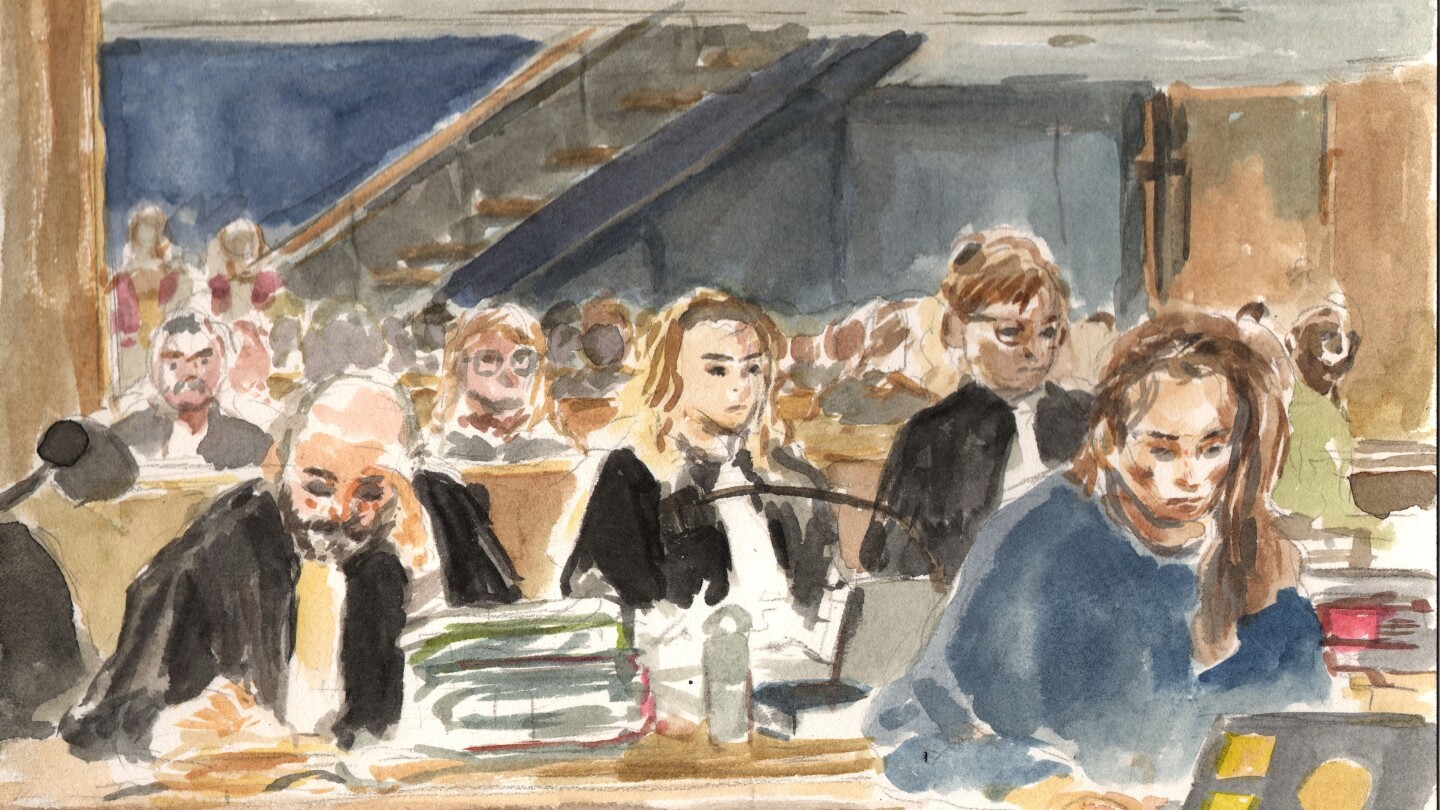
PARIS — In a landmark judicial decision with profound implications for international justice, former Congolese rebel commander Roger Lumbala received a 30-year prison sentence from a French criminal court on Monday for crimes against humanity committed during Congo’s devastating civil conflict two decades ago.
The 67-year-old former leader of the Congolese Rally for National Democracy (RCD-N) was convicted under France’s universal jurisdiction legislation, which permits prosecution of severe international crimes regardless of where they occurred. The verdict represents the first successful prosecution of a Congolese military or political figure for mass atrocities in a national court under this legal principle.
Evidence presented during the trial detailed systematic atrocities perpetrated by Lumbala’s rebel faction against civilian populations in eastern Congo between 2002-2003. United Nations documentation confirmed widespread patterns of torture, summary executions, sexual violence, forced labor, and sexual slavery targeting ethnic minorities including the Nande and Bambuti communities.
Lumbala’s militia operated with substantial backing from neighboring Uganda during the Second Congo War, which claimed approximately five million lives through violence, disease, and starvation—making it the deadliest conflict since World War II.
Following the war’s conclusion, Lumbala paradoxically integrated into Congo’s political establishment, serving as Foreign Trade Minister from 2003-2005 and later as a parliamentarian. His political career collapsed in 2011 when Congolese authorities issued an arrest warrant alleging his continued support for rebel factions, prompting his flight to France where he had previously resided.
Daniele Perissi of TRIAL International, which represented victims in the case, hailed the verdict as “historic” noting that “for the first time, a national court has dared to confront the atrocities of the Second Congo War and show that justice can break through even after decades of impunity.”
The sentencing occurs against the backdrop of renewed violence in Congo’s mineral-rich eastern regions, where over 100 armed groups continue operating. The Rwanda-backed M23 rebel faction recently captured strategic territory, underscoring the persistent instability that has plagued the region since the 1990s.