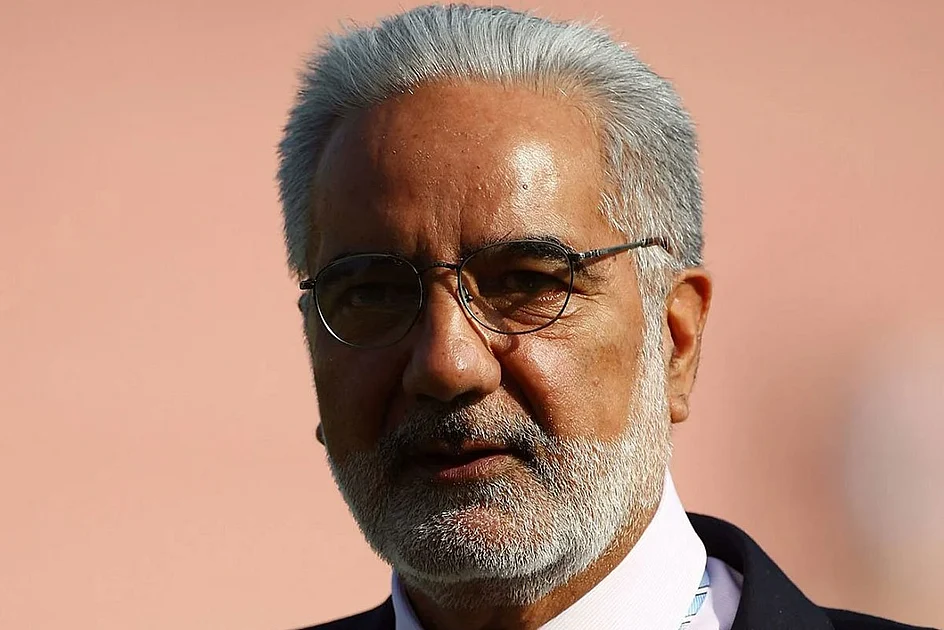
The cricketing world mourns the loss of I.S. Bindra, the former President of the Board of Control for Cricket in India (BCCI), who passed away in New Delhi at the age of 84. The BCCI officially confirmed the news, paying tribute to one of the most transformative figures in the sport’s administration.
Bindra’s tenure as BCCI president from 1993 to 1996 marked a pivotal era in Indian cricket. His influence, however, extended far beyond those years. He held an unprecedented 36-year presidency at the Punjab Cricket Association (PCA), a testament to his enduring commitment to the game’s development at the regional level.
His legacy is physically embodied in the PCA Stadium in Mohali, a world-class venue he was instrumental in developing. This ground has been the stage for numerous historic contests, including the electrifying 2011 World Cup semifinal between India and Pakistan and a dramatic run-chase led by Virat Kohli in the 2016 T20 World Cup.
Perhaps his most profound impact was on the global stage. Bindra, alongside contemporaries NKP Salve and Jagmohan Dalmiya, was a central architect in shifting cricket’s power dynamics. They successfully brought the 1987 World Cup to the Indian subcontinent, breaking the Anglo-Australian monopoly on hosting the sport’s premier event. This move catalyzed a new era, empowering Asian cricketing nations and leading to subsequent World Cup victories for Pakistan (1992) and Sri Lanka (1996).
A skilled diplomat, Bindra played a crucial role in diffusing geopolitical tensions, notably ahead of the 1987 tournament. His strategic thinking continued to shape international cricket as a principal advisor to ICC President Sharad Pawar from 2010 to 2012. Tributes have poured in from across the cricket community, with current ICC Chairman Jay Shah highlighting Bindra’s enduring legacy as an inspiration for future generations.