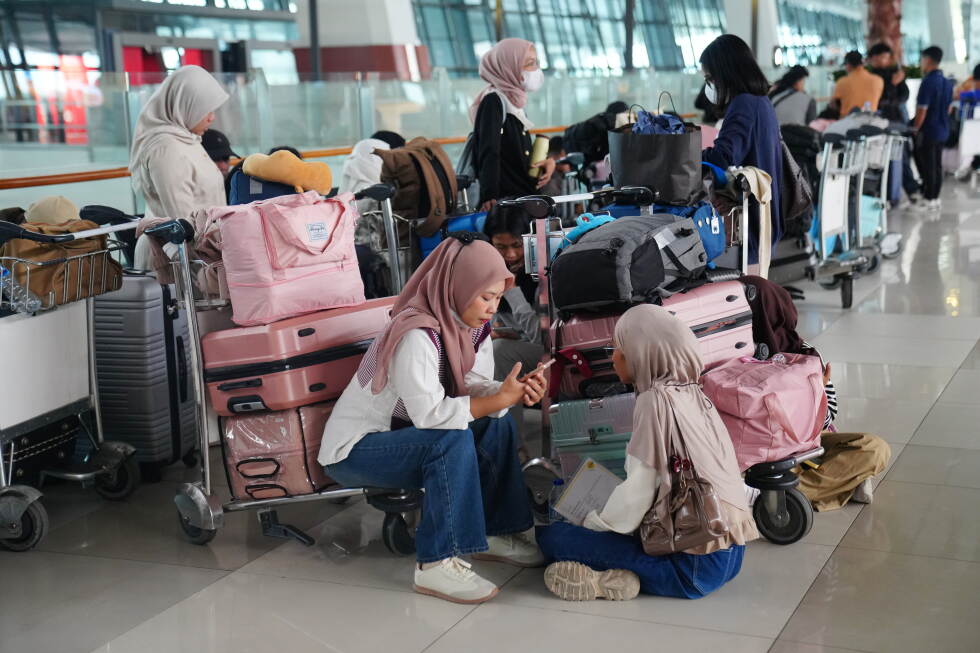
When the lingering ash plume from the ongoing eruption of Anak Krakatau forced a 48-hour shutdown of major aviation hubs across western Indonesia, nearly 3,000 flights were grounded and more than 340,000 passengers were left stranded, throwing regional travel into chaos. In the early hours of Tuesday, the most critical airports — including Jakarta’s two primary gateways Soekarno-Hatta International and Halim Perdanakusuma, Husein Sastranegara Airport in the West Java tourist hub of Bandung, and two smaller regional facilities in Banten province — officially resumed service just after midnight, Indonesia’s Transportation Minister Dudy Purwagandhi confirmed.
While atmospheric conditions have improved across most affected regions, three additional airports — including Radin Inten II Airport serving Lampung at Sumatra’s southern tip — remained shuttered through 10 a.m. local time Tuesday as a precaution. One South Sumatran airport, Atung Bungsu in Pagar Alam, had already restarted full operations on Monday morning. This cautious, phased reopening follows a deliberate, risk-averse strategy, as officials note wind patterns in the region remain highly unpredictable.
“We are taking a conservative approach because wind direction is highly dynamic,” Purwagandhi explained in an official statement. “We want to ensure that volcanic ash has moved away from airports around Anak Krakatau.”
Even after initial air quality testing at multiple reopened airports returned no detectable traces of volcanic ash, the temporary extended closures allowed critical maintenance teams to fully inspect and clear ash residue from runways, taxiways, ground support equipment, and parked aircraft that may have been exposed during the eruption. Volcanic ash poses extreme safety risks to aviation, as it can melt in jet engine turbines to form glass deposits that cause mid-flight engine failure and damage critical aircraft navigation systems.
After days of sustained explosive activity marked by lava fountains and loud rumbling, Anak Krakatau’s active eruptive phase calmed on Sunday, but the volcanic island remained geologically active Tuesday morning. Two new small eruptions were recorded at 5:08 a.m. and 5:34 a.m. local time, though thick cloud cover prevented monitoring teams from measuring the height of the resulting ash columns.
The two-day shutdown of multiple airports between Sunday and Monday disrupted a total of 2,961 flights, 622 of which were international services, leaving passengers stranded at terminals across the region and disrupting connecting travel globally. Beyond aviation disruptions, Indonesian public health authorities have also authorized temporary shifts to online learning for schools in ash-affected regions, a precaution designed to limit student exposure to fine volcanic ash particles that can irritate the respiratory system.
Located in the Sunda Strait between Indonesia’s two most populous main islands, Java and Sumatra, Anak Krakatau translates to “Child of Krakatau” — a reference to its origin as a new volcanic cone that formed after the catastrophic 1883 eruption of the original Krakatau volcano, which was one of the most explosive volcanic events in recorded history. The 1883 eruption triggered global climate anomalies that caused a multi-year period of global cooling, disrupting agricultural production across the world. Anak Krakatau itself has a history of deadly activity: a 2018 eruption triggered an underwater landslide that generated a tsunami which killed more than 430 people along the coasts of Sumatra and Java.
Indonesian authorities have kept Anak Krakatau at the nation’s second-highest volcanic alert level since July, and have ordered a permanent exclusion zone extending 3 kilometers (1.9 miles) around the active crater. Residents, commercial fishing crews, and tourists are all prohibited from entering the area to avoid risk from sudden new eruptions, pyroclastic flows, and flying volcanic debris.
Indonesia, a sprawling archipelago nation that sits along the Pacific Ring of Fire — the global zone of intense seismic and volcanic activity that circles the Pacific Ocean basin — is home to more than 120 active volcanoes, making volcanic eruptions a frequent hazard for communities and infrastructure across the country.