In a landmark transaction poised to redefine the entertainment industry, Netflix has announced its intention to acquire Warner Brothers Discovery’s streaming assets, including the prestigious HBO network and its legendary film studio. This colossal merger represents the most significant industry consolidation in recent years, combining Netflix’s dominant streaming platform with nearly a century’s worth of iconic entertainment content.
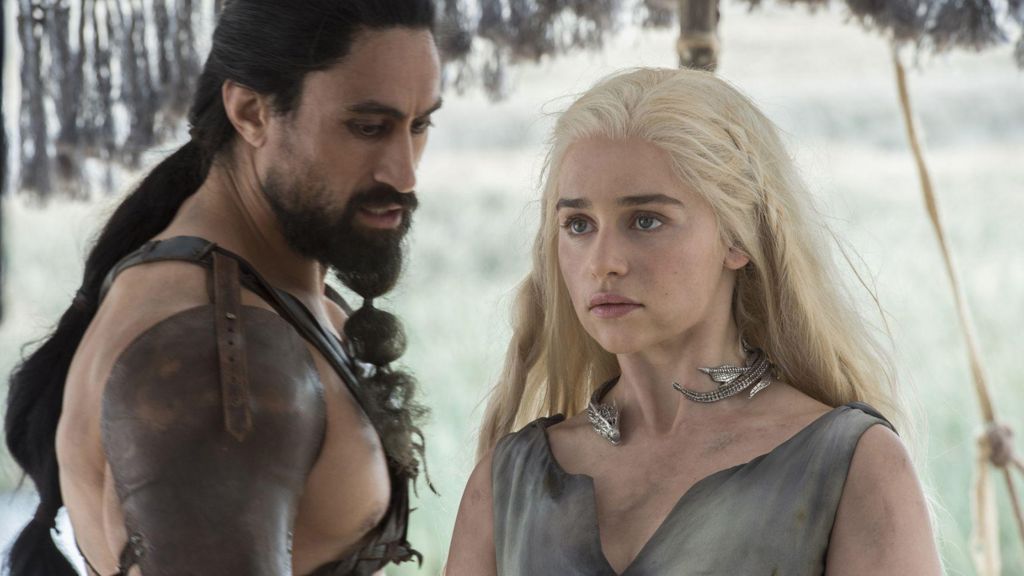
The acquisition would unite Netflix’s extensive original programming, including Stranger Things and KPop Demon Hunters, with Warner Bros’ legendary franchises such as Harry Potter, Looney Tunes, Friends, and HBO’s critically acclaimed series including Succession, Sex and the City, and Game of Thrones. The deal additionally encompasses TNT Sports’ international operations outside the United States.
Netflix’s subscriber base, already exceeding 300 million globally, stands to gain approximately 128 million additional subscribers from HBO’s existing audience. According to Mike Proulx, Vice President at research firm Forrester, this consolidation would render Netflix “arguably untouchable” in the streaming marketplace.
Despite Netflix’s expressed confidence in regulatory approval, the deal faces substantial hurdles. Competition regulators in both the United States and Europe are scrutinizing the transaction, with bipartisan concerns in Washington regarding potential consumer price increases and reduced market choice. The acquisition’s completion remains uncertain, with Warner Brothers Discovery first required to spin off non-included assets such as CNN, Discovery, and Eurosport.
Industry traditionalists have expressed dismay at the merger, with Titanic director James Cameron warning it could prove “disastrous” for the entertainment sector. The consolidation reflects the ongoing transition from traditional cinema to streaming dominance, a trend that Forrester’s Proulx describes as marking the official end of “legacy media.”
Netflix executives have indicated the HBO brand will likely be preserved given its “very powerful” market presence, though specific integration plans remain undisclosed. The company has committed to maintaining theatrical releases for acquired properties, including the DC superhero franchise, despite co-CEO Ted Sarandos previously characterizing movie-going as an “outdated concept.”