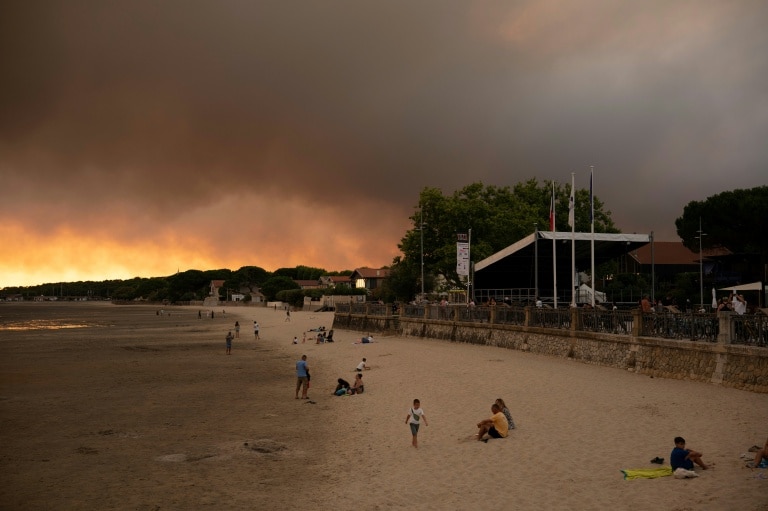
Across the European continent, rapidly spreading and destructive wildfires have triggered emergency responses, mass displacement of residents, and renewed warnings about the accelerating impacts of human-caused climate change. New satellite data collected by the European Forest Fire Information System (EFFIS) confirms that 2024 has already seen the second-largest total area of burned land across European Union member states since systematic record-keeping began.
A new analysis published this week by the international climate research group World Weather Attribution draws a direct line between the increasing frequency and intensity of European blazes and rising global temperatures driven by the combustion of fossil fuels including oil, coal, and gas. The study confirms that regional drought conditions across the continent have grown far more severe in recent decades, creating tinder-dry landscapes that enable wildfires to ignite and spread much faster than historical norms.
France, one of the countries hardest hit by this year’s fire season, is facing what officials are calling the most destructive blaze of the current period. In southwestern France, a single massive wildfire in the Lege Cap-Ferret forest region has already burned through more than 10,000 hectares (approximately 25,000 acres) of land, forcing the evacuation of around 40,000 residents to safer areas. French Interior Minister Laurent Nunez confirmed in an interview with Agence France-Presse that the blaze has destroyed 80 residential structures, with roughly 50 of those homes reduced to complete ruin. As of the latest update, no casualties have been reported from the fire.
Across the entire country, 32 separate wildfires of varying intensity are still actively burning as of Friday. Nunez noted that total burned area in France since the start of the year has surpassed 50,000 hectares, a figure that is nearly three times higher than the total recorded over the same period in 2023. As the main blaze advanced on the Cap Ferret peninsula on Friday, hundreds of residents and visitors were forced to evacuate the coastal area by boat, after the fire outpaced ground evacuation routes. By early Friday, the Cap Ferret blaze had already consumed an area nearly twice the size of Manhattan, according to on-site reports.
Neighboring Spain is also grappling with out-of-control blazes that threaten populated areas. Two large uncontained wildfires are burning less than 100 kilometers (60 miles) from the Spanish capital of Madrid, and regional authorities warn that difficult weather conditions, particularly strong gusty winds, will hamper firefighting efforts through Friday. Spanish Prime Minister Pedro Sanchez has described the ongoing wildfire crisis as dramatic, noting that extreme fire conditions are impacting multiple provinces across Spain as well as regions in neighboring European countries. Sanchez confirmed that the national government has deployed every available resource to contain the blazes and protect affected communities.