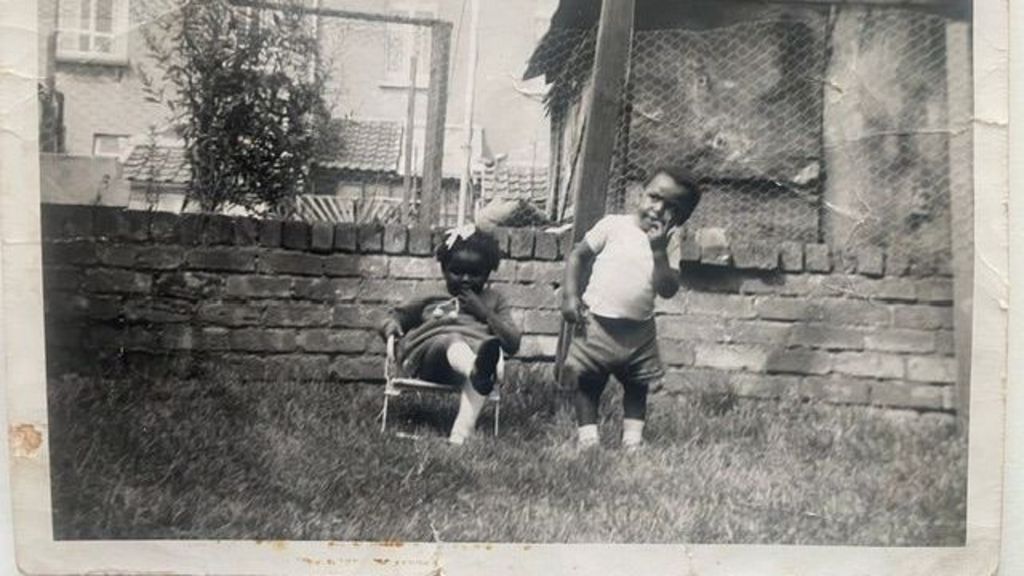
Decades after the mass migration of Caribbean workers to post-WWII Britain, the children of the Windrush generation are stepping into the spotlight with their personal stories in a new documentary. *First Born Second: Voices of the Children of the Windrush Era* centers on seven residents of Bristol, offering intimate first-person accounts of what it was like to grow up as Black Britons during the 1970s and 1980s.
The Windrush generation refers to the hundreds of Caribbean migrants invited to the UK to help rebuild the nation after World War II. Most of the early arrivals came from Jamaica, with others journeying from islands including Trinidad, St. Lucia, Grenada and Barbados — many aboard the HMT Empire Windrush, the vessel that became a defining symbol of this mass migration movement.
The documentary’s co-producer and project curator, Roger Griffith MBE, explained that the project was born from a desire to honor the pioneering work of the first-generation Windrush migrants, while also capturing the unique experience of their children growing up navigating overlapping cultural identities, systemic racism, institutional discrimination and intercultural tension. For the second-generation Black Britons of Bristol, he described their collective experience as a “rich tapestry” woven from threads of triumph, tragedy and joy. “Our parents were pioneers, but we were pioneers in a different way because we had to grow up in those two cultures — being Black and British,” Griffith shared, noting that the project grew out of years of personal research and that seeing it come to life has been overwhelming.
One of the documentary’s contributors, veteran broadcaster Sherrie Eugene-Hart, says she hopes audiences leave the film feeling a sense of pride, hope and achievement. Growing up, Eugene-Hart recalls, community joy was central to her childhood: “There was a lot of joy growing up — when any celebration happened everybody was invited. It’s something I’ll always cherish.” She explained that her parents, like many Windrush generation migrants, intentionally protected their children from the harsher realities of anti-Black racism, shielding them from stories of racial harassment by groups like the 1950s white supremacist youth subculture Teddy Boys, and the routine job discrimination that many first-generation migrants faced. “We didn’t really see the negative side of life until we grew up, so while we were young and impressionable and naive, that’s how our parents wanted it to be — they were protective,” she said, adding that recounting these unshared stories remains painful for many families.
Documentary director Michelle Pascal notes that the untold narratives shared by contributors paint a broader picture of community resilience, evolving identity, and a growing sense of belonging in the UK. For Pascal, the project felt deeply personal: many of the contributors, who have gone on to build successful careers across sectors, are people she has long admired, and she connected with them over shared cultural touchstones from childhood. One shared memory that comes through in the film is the iconic “Caribbean front room” — a formal living space kept for special occasions, often decorated with matching small decor items such as glass fish ornaments that were a staple in many Caribbean-British homes. “The thing that connected us a lot was the household — the Caribbean front room that you couldn’t go into. There are items that we all shared — the glass fish that were in all the Caribbean homes. They popped up in the film,” Pascal explained.
To complement the documentary, contributors Eugene-Hart and Beverly Douglas have curated a companion exhibition called *Dominican Front Room*, which recreates a classic mid-century Caribbean-British front room for visitors to explore. The exhibition is open at Bristol’s Undershed venue ahead of documentary screenings.
*First Born Second: Voices of the Children of the Windrush Era* will make its world premiere at Bristol’s Watershed on October 29. Griffith praised Pascal’s directorial vision, saying that watching her bring these deeply personal stories to the screen was a moving experience that honors the legacy of both generations of the Windrush community.