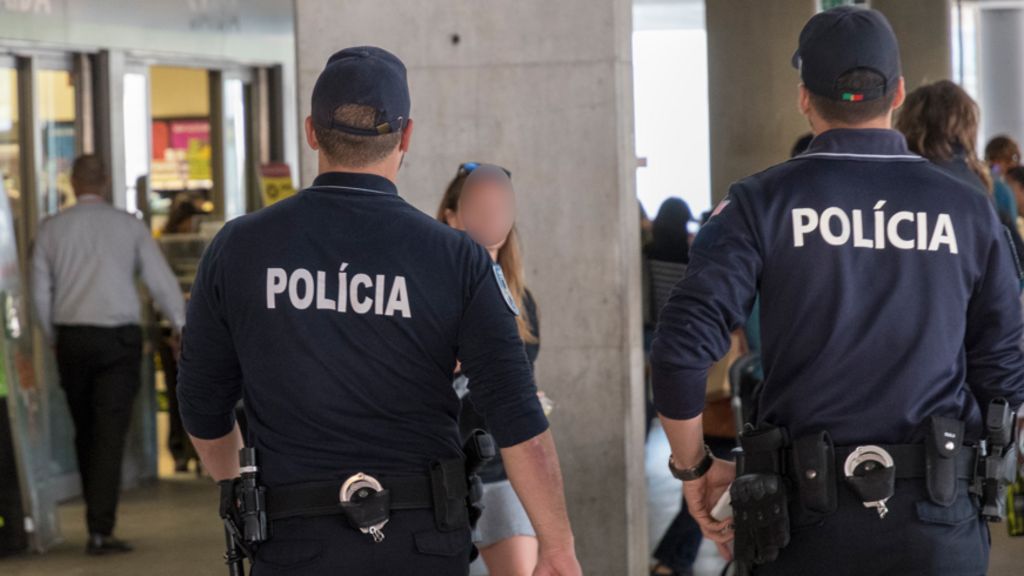
A sweeping internal investigation into systemic police abuse targeting marginalized communities at two central Lisbon police stations has expanded once again, with Portuguese law enforcement authorities confirming that 15 more officers have been taken into custody this week. The unfolding scandal, which first came to light last year, now implicates more than 20 members of Portugal’s police force in allegations of torture, sexual violence, and widespread cover-ups of misconduct.
The first public break in the case came in January, when two officers in their 20s were formally charged with aggravated torture, rape, and abuse of power. Investigations later uncovered that the violent incidents were secretly recorded by the officers themselves, with clips of the abuse shared among dozens of officers in private WhatsApp chat groups, according to court filings.
The investigation gained momentum in March, when seven additional officers were detained for alleged ties to the scandal. On Tuesday, the sweep widened further: alongside the 15 new detentions, one civilian was also taken into custody. Unnamed police sources speaking to Portuguese media outlets confirmed that two of the newly detained officers hold senior chief ranks within the force. As of this week, investigators have not publicly clarified whether the most recent detainees are suspected of directly participating in the abuse or failing to report the criminal activity to authorities, a violation of police conduct rules.
The alleged crimes date back to 2024 and 2025, and are tied exclusively to the Rato and Bairro Alto police stations, two high-traffic precincts in central Lisbon. All of the identified victims are members of highly vulnerable, marginalized groups: people experiencing homelessness, people struggling with drug addiction, and undocumented immigrants, according to the investigation’s preliminary findings.
Portugal’s Home Affairs Minister Luís Neves has moved quickly to contain the fallout, emphasizing this week that there is currently no evidence to suggest the abusive culture extends beyond the two precincts under investigation. Even so, he acknowledged that the scandal exposes deep systemic flaws within the force, including a widespread culture of complacency that allowed abusive behavior to go unchecked for years.
“These are particularly serious crimes,” Neves told Portuguese national television in an interview on Wednesday. “There is a clear difference between someone who had access to evidence of these crimes and chose to stay silent, and someone who actively took part in the violence.”
Human rights advocacy group Amnesty International has long flagged systemic police brutality and a culture of impunity within Portugal’s law enforcement agencies. Earlier this year, before the full scope of the Lisbon scandal emerged, the organization warned of an “enormous sense of impunity” among rank-and-file officers, noting that victims from vulnerable communities are often too intimidated by systemic power imbalances to come forward and file formal complaints.
In response to the unfolding allegations, Portugal’s National Union of Police Officers has called the reported acts of torture “deeply disturbing”, and is pushing for major overhauls to the country’s police hiring and vetting process, calling for increased rigor to filter out candidates unsuited for public service.
Luís Carrilho, the head of Portugal’s Public Security Police (PSP), reaffirmed the force’s commitment to rooting out misconduct earlier this week, stating that the institution enforces a “zero-tolerance policy towards cases of misconduct”, and urged the public that the country “can continue to trust the police” as the investigation proceeds.