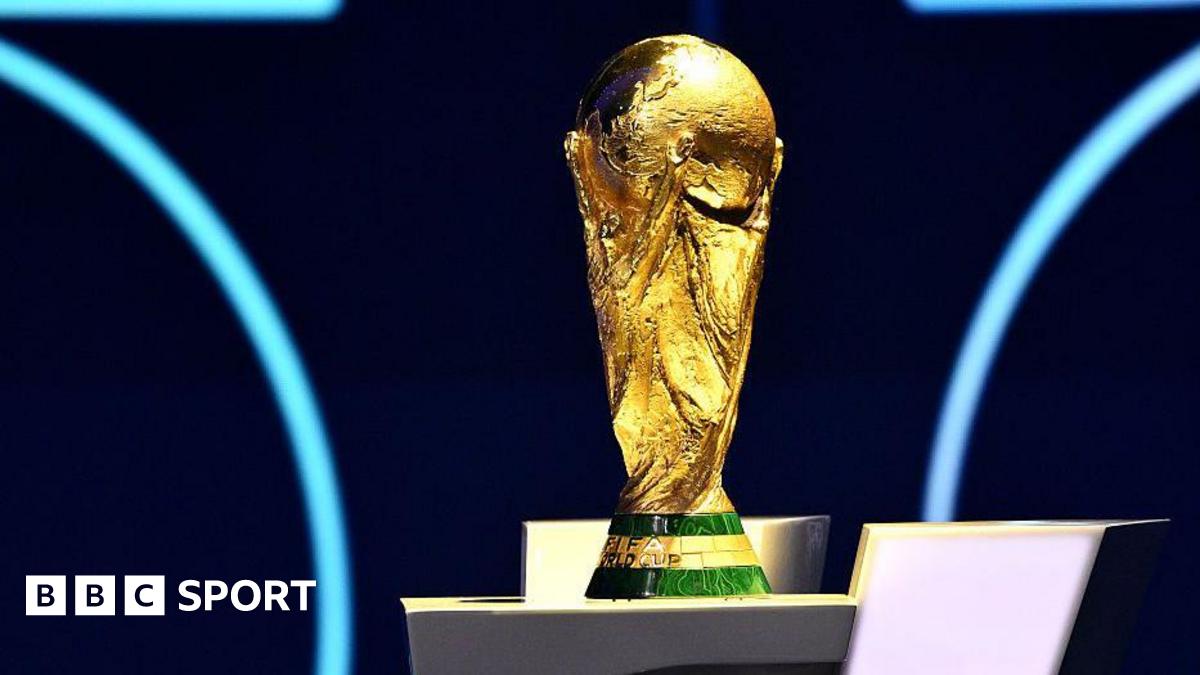
In response to widespread criticism over exorbitant pricing, FIFA has announced the introduction of a limited number of affordable tickets priced at $60 (£45) for all 104 matches of the 2026 World Cup. This new ‘supporter entry tier’ category, representing 10% of each participating football association’s allocation, follows intense backlash from fan groups who condemned the original pricing structure as “scandalous” and “extortionate.
The decision, described by a FIFA official as “unanimous” after considering feedback, specifically targets “loyal fans” of qualified nations. Each participating member association (PMA) will manage their own eligibility criteria and distribution process for these budget-friendly tickets. For England and Scotland, this translates to approximately 400 tickets available at the £45 price point for group stage matches.
While UK Prime Minister Sir Keir Starmer welcomed the move, he urged FIFA to further enhance affordability to prevent the tournament from losing touch with genuine supporters. The Football Association is now working urgently to establish a fair allocation system for these limited tickets, facing the challenge that demand vastly exceeds supply, with over 20 million ticket requests already recorded.
Fan organizations including the Football Supporters’ Association (FSA) and Football Supporters Europe (FSE) have dismissed the initiative as a “hollow gesture” and “cynical attempt to deflect attention.” They note that despite this concession, the majority of tickets remain prohibitively expensive, with final match tickets costing £3,119—seven times more than in Qatar 2022. Concerns also persist regarding the lack of pricing accommodations for disabled supporters.
The 2026 World Cup, hosted across Canada, Mexico, and the United States, represents both a unique commercial opportunity and accessibility challenge, particularly given the active secondary ticket market in North America. FIFA maintains that commercial success benefits all 211 member associations, including the poorest nations, through development funding.