Ahead of the 2026 FIFA World Cup co-hosted across North America, a heated dispute has erupted over sky-rocketing public transport costs for fans, with New Jersey Governor Mikie Sherrill placing full blame on world football’s governing body and demanding it subsidize the inflated fares.
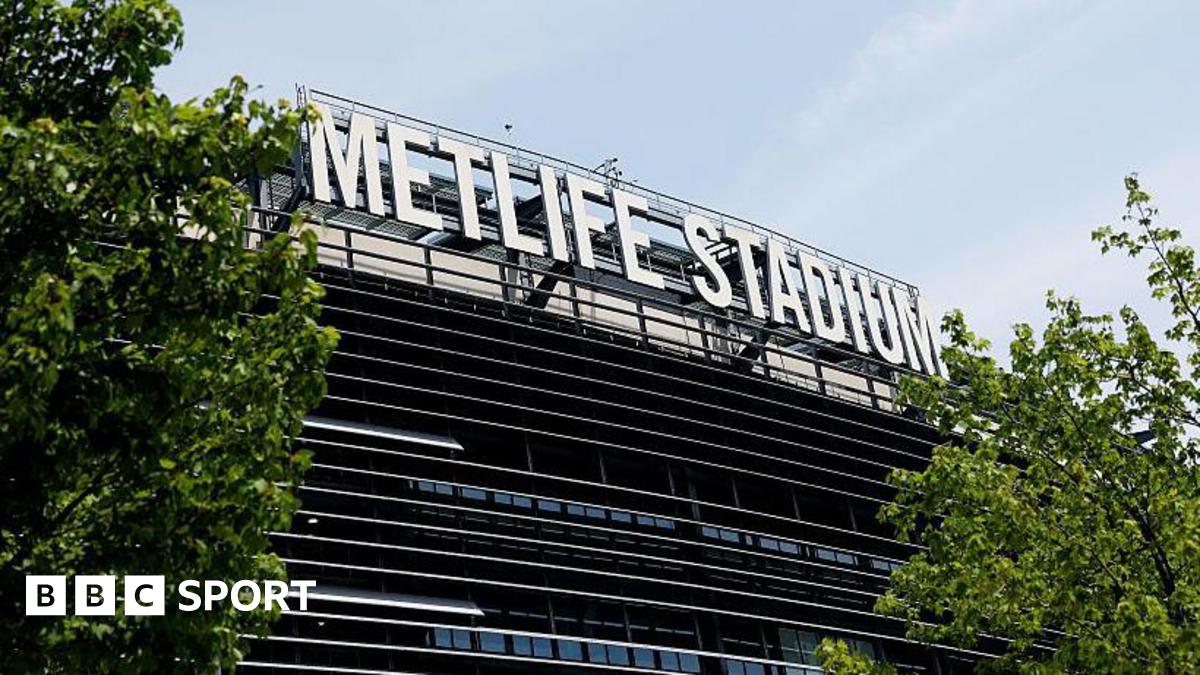
MetLife Stadium, located in New Jersey and rebranded as New York/New Jersey Stadium for the tournament to comply with FIFA’s corporate naming rules, is set to host eight matches during the tournament — including an England group stage fixture against Panama and the competition’s July 19 final. Early this week, sports outlet The Athletic first revealed that New Jersey Transit plans to implement special event pricing for the 30-minute return trip between Manhattan’s Penn Station and the stadium. The new fare is expected to top $100 (£73.80), marking a seven-fold jump from the standard $12.90 (£9.50) return ticket. Shockingly, no discounted concession rates will be offered for children or older adults, meaning all fans must pay the full premium price regardless of age.
This is not an isolated case. Precedent for the sharp fare hikes was already set at Gillette Stadium in Foxborough, Massachusetts, another World Cup host venue outside Boston, where match-day train fares have been raised to $80 (£59) and coach tickets hit $95 (£70). Parking costs across both venues have also sparked outrage: a single parking spot at MetLife will cost $225 (£166), while Gillette Stadium charges $175 (£129) per vehicle. The inflated costs will disproportionately impact fans traveling from Europe to support England and Scotland, who are scheduled to play multiple group-stage matches at the two venues: England faces Ghana in Foxborough on June 23 before moving to New Jersey for the Panama fixture, while Scotland will take on Haiti and Morocco in back-to-back Foxborough matches on June 13 and 19 respectively.
Governor Sherrill has flatly rejected proposals to pass the extra transportation costs onto New Jersey taxpayers and regular commuters, arguing that FIFA, which is projected to pull in $11 billion in revenue from the tournament, should cover the expenses instead. In a post on X Wednesday evening, Sherrill highlighted the lopsided financial burden: “We inherited an agreement where Fifa is providing $0 for transportation to the World Cup. And while NJ TRANSIT is stuck with a $48m bill to safely get fans to and from games, Fifa is making $11bn. I’m not going to stick New Jersey commuters with that tab for years to come. Fifa should pay for the rides. But if they don’t – I’m not going to let New Jersey get taken for one.” BBC Sport reports that New Jersey Transit is set to officially confirm the new pricing structure this Friday.
FIFA, however, has pushed back against the criticism, saying it was “surprised” by Sherrill’s public comments. A spokesperson for the governing body defended its position, noting that the original 2018 host city agreement required host regions to provide free transportation for match-going fans. After recognizing the financial pressure this placed on host communities, FIFA adjusted the requirements for all host cities in 2023 to mandate only that ticket holders and accredited personnel have access to transport at cost price, with no markup. The spokesperson added that FIFA has collaborated with host cities on transportation planning for years, and has even helped secure millions of dollars in federal funding to support local transit upgrades for the tournament.
Pointing to the broader economic benefits of the event, the spokesperson noted that the World Cup will draw millions of fans to North America and generate billions in regional economic activity, with a particularly large influx expected for New Jersey/New York’s eight matches including the final. FIFA also argued that it has no obligation to cover fan transportation costs, noting that no previous major event held at MetLife Stadium — from top-tier sports matches to global concert tours — has required event organizers to absorb transit costs for attendees. The dispute continues to unfold as fans begin planning their travel for the 2026 tournament, with many already voicing concern over the cumulative cost of attending matches.