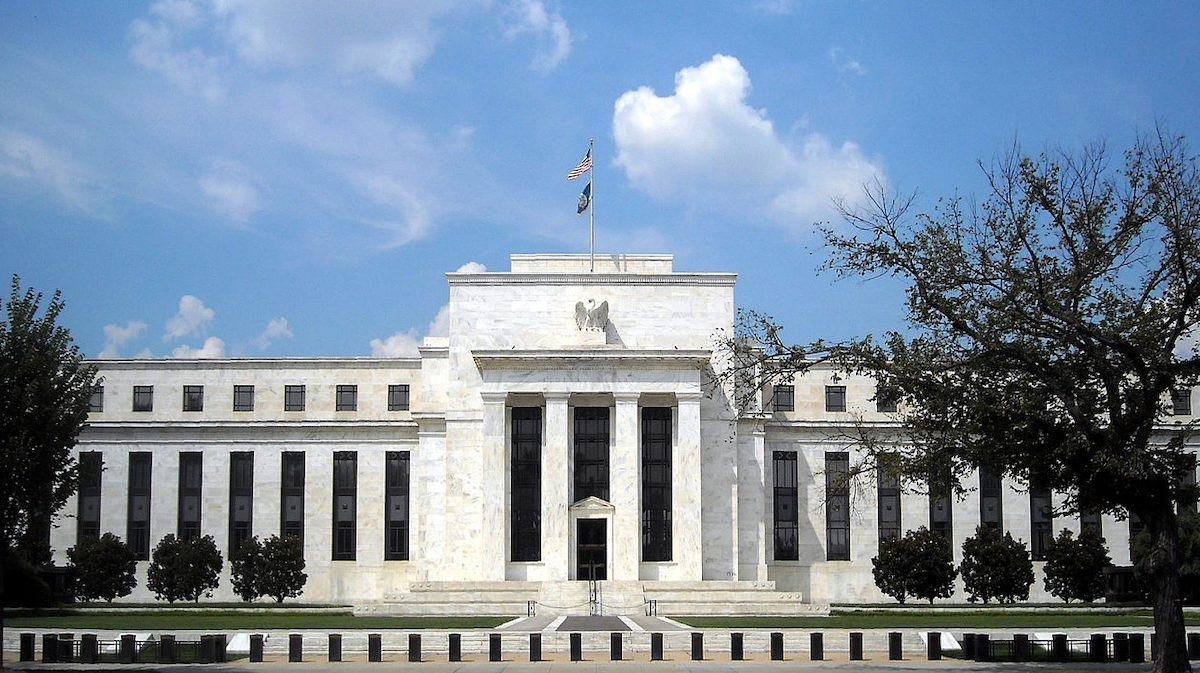
The US labor market’s recent data reveals a structural weakening, compelling the Federal Reserve to consider initiating a cycle of interest rate cuts. This pivotal decision marks the end of the post-pandemic tightening era and holds significant implications for global markets, influencing gold prices, equity valuations, and global capital flows. The August 2025 employment report highlighted a mere 22,000 jobs added, with the unemployment rate rising to 4.3%, the highest in nearly four years. Wage growth has also declined, reflecting the lagged effects of the Fed’s tightening policies and ongoing trade tensions. Businesses, particularly in manufacturing and logistics, are scaling back hiring and investments, forcing the Fed to address the labor market’s weakness. The Fed, operating under a dual mandate of controlling inflation and maximizing employment, now faces a dilemma: prioritize economic growth despite inflation slightly above the 2% target. The decision to cut rates is a preemptive measure to avert a full-blown recession, drawing lessons from past crises like 2008. This shift from ‘fighting inflation’ to ‘preventing recession’ will reshape the investment landscape. Gold is expected to benefit significantly from lower interest rates, as reduced opportunity costs and a weaker US dollar enhance its appeal. Conversely, global equities face a complex scenario: while lower rates may boost stock prices in the short term, medium-term risks of declining corporate earnings could lead to a ‘bull trap.’ Emerging markets are likely to attract capital flows as US bond yields lose their appeal, potentially leading to currency appreciation and stock market booms. Three scenarios emerge for the Fed’s actions: a gradual cut leading to a soft landing, an emergency cut signaling panic, or a hawkish pause causing market shocks. This new era for investors emphasizes the need to reallocate portfolios towards assets benefiting from a weaker dollar and lower interest rates, such as gold, commodities, and select emerging markets. Complacency remains the greatest risk in this evolving economic landscape.