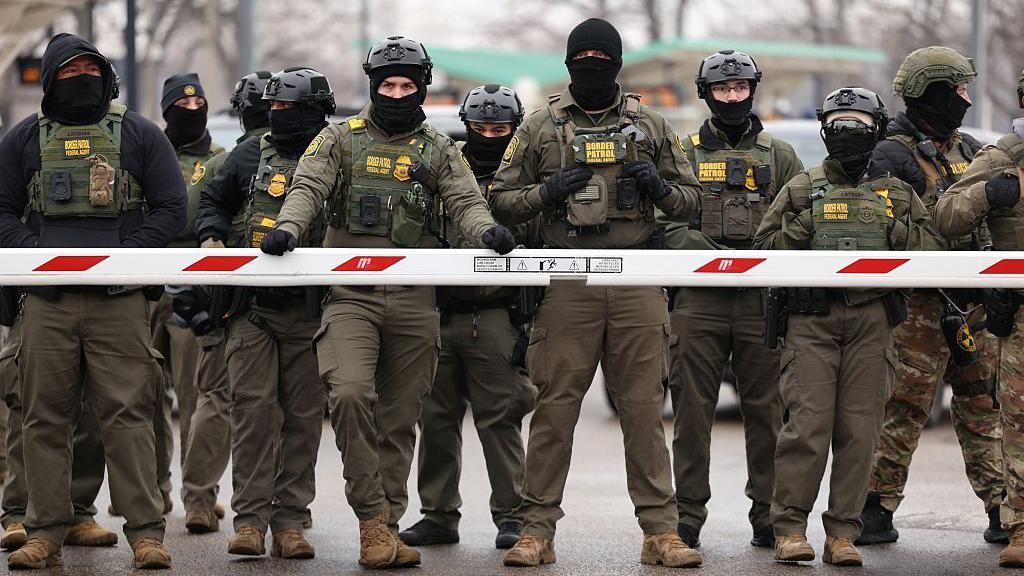
The U.S. Department of Homeland Security (DHS) has announced the immediate deployment of body cameras to all federal immigration agents operating in Minneapolis, Minnesota. This policy shift follows escalating tensions over the January deaths of two American citizens, Alex Pretti and Renee Good, during heightened immigration enforcement operations in the region.
DHS Secretary Kristi Noem confirmed the rollout via social media on Monday, coinciding with the Hennepin County Medical Examiner’s classification of Pretti’s January 24th death as a homicide. The examiner’s report specified Pretti sustained multiple gunshot wounds from one or more law enforcement officers before succumbing to injuries at Hennepin County Medical Center. While homicide denotes a human killing another, it does not automatically imply criminal wrongdoing.
U.S. Customs and Border Protection disclosed that two agents involved in Pretti’s shooting were equipped with body cameras and have been placed on administrative leave. The U.S. Department of Justice has launched a civil rights investigation into the incident.
Secretary Noem indicated plans to expand the body camera program nationally once funding becomes available. This commitment emerges amid a partial government shutdown, with Democrats insisting on immigration reforms—including universal body camera usage—as conditions for funding legislation.
President Donald Trump endorsed the technology, stating body cameras ‘generally tend to be good for law enforcement because people can’t lie about what’s happening,’ estimating they’re ‘80% good for law enforcement.’
In response to the shooting, the administration replaced Minneapolis-based U.S. Border Patrol Chief Gregory Bovino with former immigration official Tom Homan. Homan has met with local leaders including Governor Tim Walz and Minneapolis Mayor Michael Frey to address community tensions. Both officials have demanded complete withdrawal of federal agents from the capital region.
Homan acknowledged authorities are developing plans to reduce federal presence in Minneapolis, though operational changes would depend on state and local cooperation with federal authorities. The administration has criticized Minneapolis’ sanctuary city policy prohibiting municipal employees from enforcing immigration laws.
Mayor Frey emphasized prioritizing local police focus on community safety while maintaining selective cooperation with federal authorities. The ongoing deployment of over 3,000 federal immigration officers throughout Minnesota implements President Trump’s campaign promise to intensify immigration enforcement.