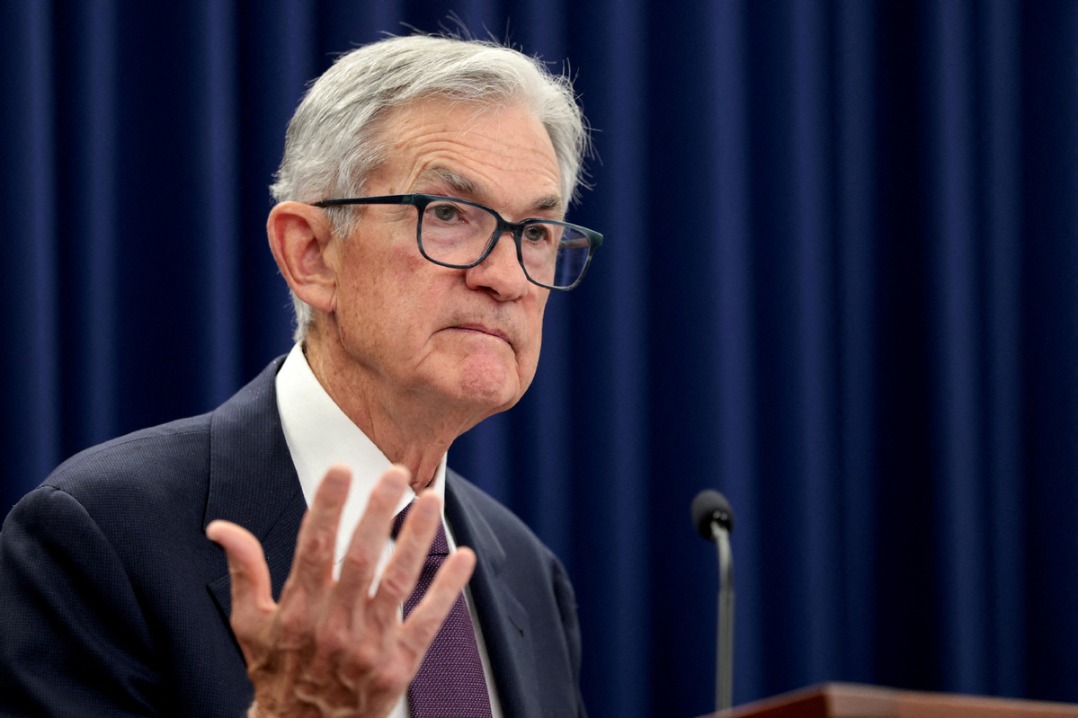
The United States Federal Reserve is poised to maintain its current interest rate levels in Wednesday’s policy decision, marking a strategic pause in its recent easing cycle despite intensifying political pressure from the Trump administration. This anticipated halt follows three consecutive rate reductions that have brought the benchmark rate to a range of 3.50-3.75%, as central bankers seek more conclusive economic indicators before further monetary adjustments.
The Fed’s cautious stance emerges against a backdrop of conflicting economic signals: robust GDP expansion and relatively stable employment figures contrast with persistent inflationary pressures and cooling labor market conditions. This economic duality has created a complex landscape for policymakers, compelling them to adopt a wait-and-see approach rather than continuing their previous rate-cutting trajectory.
The central bank’s independence faces unprecedented challenges from the White House, where administration officials have launched investigations into Fed Chair Jerome Powell regarding headquarters renovations and sought to remove Governor Lisa Cook over mortgage fraud allegations. Powell recently issued a rare public rebuke, characterizing these actions as threats to the institution’s operational autonomy.
Economic analysts note that while political pressure for aggressive rate cuts continues to mount, the fundamental economic data doesn’t justify immediate further easing. EY-Parthenon’s chief economist Gregory Daco observed that ‘the hurdle for additional near-term cuts has risen,’ with officials requiring clearer evidence of disinflation or significant labor market deterioration before considering additional rate reductions.
The Federal Open Market Committee’s internal deliberations have now shifted from whether to pause rate cuts to determining what specific economic conditions would warrant future monetary easing and at what pace these adjustments should occur. Although some dissent remains likely from recently appointed officials like Governor Stephen Miran, most analysts anticipate relatively unified support for the pause decision amid the current economic uncertainty.