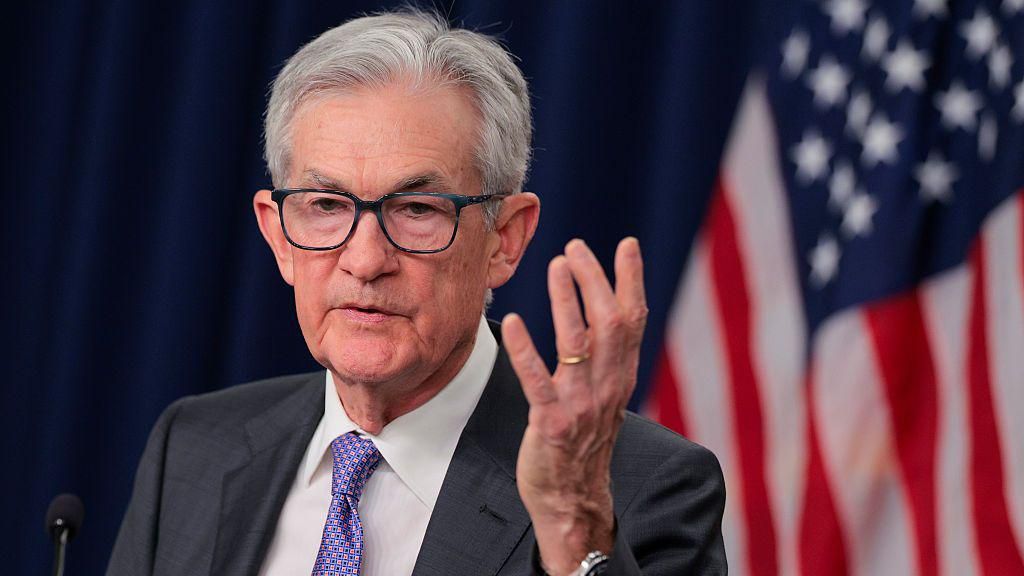
The U.S. Federal Reserve maintained its benchmark interest rate within the 3.5% to 3.75% range during Wednesday’s policy meeting, defying mounting pressure from President Donald Trump to implement immediate rate reductions. This decision comes amid growing concerns about political interference threatening the central bank’s operational autonomy.
Economic indicators present a mixed landscape: job creation has slowed noticeably while unemployment rates show modest improvement. Policymakers continue assessing the economic impact of three previous rate cuts implemented throughout last year.
The central bank’s independence faces unprecedented challenges as federal prosecutors have initiated a criminal investigation regarding Chair Jerome Powell’s congressional testimony about Federal Reserve building renovations. This probe follows a year of persistent public criticism from President Trump, who has labeled Powell—his own appointee—a “major loser” and “numbskull” for resisting faster rate reductions.
Financial markets exhibited volatility ahead of Powell’s post-announcement press conference, with the S&P 500 briefly surpassing the 7,000-point threshold for the first time. Wall Street remains apprehensive about potential political influence on monetary policy.
The situation has drawn condemnation from former Fed chairs who characterize the investigation as an attempt to undermine institutional independence. Simultaneously, the Supreme Court is reviewing the controversial dismissal of Fed Governor Lisa Cook, who faced unsubstantiated mortgage fraud allegations from the administration.
Attention now shifts to Powell’s potential replacement when his term concludes in May, with BlackRock executive Rick Rieder emerging as a possible successor. Prediction markets remain volatile as stakeholders question whether any new appointee could maintain policy independence amid continued executive pressure.