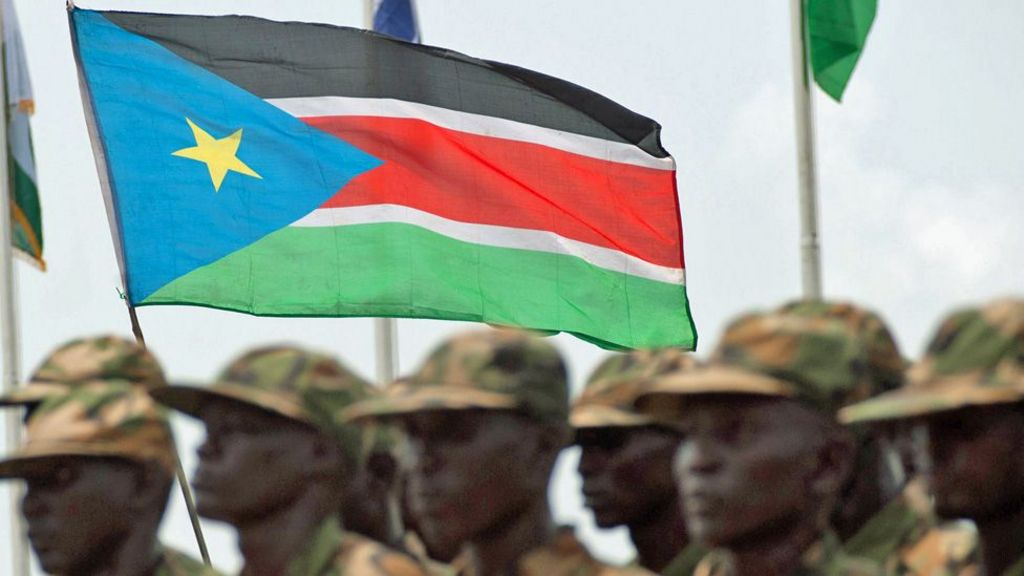
South Sudan, the world’s youngest nation, faces renewed turmoil as political tensions escalate, raising fears of a potential return to civil war. The crisis deepened after the Sudan People’s Liberation Movement In Opposition (SPLM-IO), led by suspended Vice-President Riek Machar, called for ‘regime change’ in response to Machar’s house arrest and charges of murder, treason, and crimes against humanity. The SPLM-IO denounced the charges as a ‘political witch-hunt’ and accused the government of undermining the 2018 peace agreement that ended a devastating five-year civil war. The situation has been further complicated by the deployment of Ugandan troops to Juba, ostensibly to bolster the government’s control. A recent UN report has also exposed rampant corruption, alleging that South Sudanese officials have embezzled billions in oil revenues, leaving millions without essential services. South Sudan’s independence in 2011, achieved after decades of struggle, has been marred by internal conflict, particularly the 2013 civil war triggered by Machar’s dismissal as vice-president. The conflict, rooted in ethnic divisions, claimed an estimated 400,000 lives and displaced 2.5 million people. Despite the 2018 peace deal, key provisions, such as the formation of a unified national army and the establishment of a transitional justice court, remain unimplemented. The repeated postponement of elections and the failure to draft a new constitution have further eroded trust in the government. As Machar prepares for his trial, concerns grow over the potential for renewed violence, with analysts warning of the risk of proxy warfare in the region. The international community watches anxiously as South Sudan teeters on the edge of another catastrophic conflict.