President Donald Trump’s repeated assertions about terminating eight international conflicts this year require careful examination against the complex backdrop of ongoing global tensions. While the administration has achieved certain diplomatic milestones, many situations remain unresolved or have escalated despite White House claims.
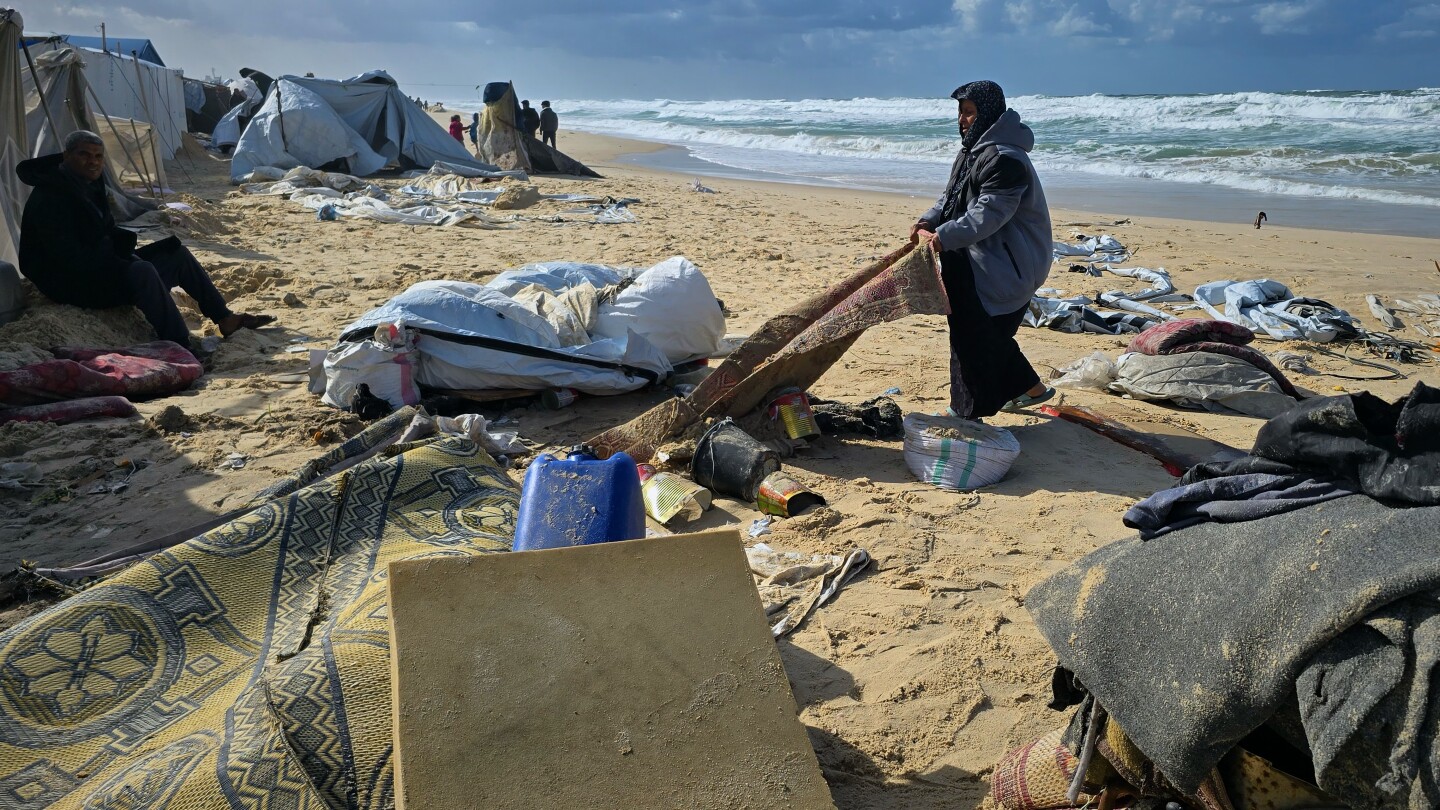
The recent Trump-Netanyahu meeting underscores the precarious nature of the Gaza situation. Although the current U.S.-brokered ceasefire represents significant progress, Israel maintains that transitioning to the truce’s second phase depends entirely on the release of all remaining hostages. Hamas simultaneously threatens to abandon the agreement, citing insufficient humanitarian aid and continued Israeli strikes. The path toward permanent resolution involves formidable challenges including Hamas disarmament, international security deployment, and determining Gaza’s future governance structure.
Regarding the Israel-Iran confrontation in June, while Trump successfully negotiated a ceasefire after authorizing strikes on Iranian nuclear facilities, experts characterize this as a temporary respite rather than permanent resolution. Evelyn Farkas of the McCain Institute acknowledged Trump’s role in ending the 12-day conflict, though Lawrence Haas of the American Foreign Policy Council described it merely as a pause in an ongoing ‘day-to-day cold war.’
In Africa, the White House-mediated agreement between Rwanda and Congo faces immediate challenges. Despite two signed agreements in June and December, the M23 rebel group—allegedly backed by Rwanda—has continued military operations, capturing additional territory days after the latest ceremony. Similarly, the Armenia-Azerbailand conflict shows partial progress with transportation agreements signed, but the comprehensive peace treaty remains unratified by parliaments.
The Cambodia-Thailand border dispute demonstrates the limitations of presidential influence. While Trump’s leveraging of trade negotiations initially produced ceasefire agreements, fighting resumed weeks later, requiring additional diplomatic intervention and a new December 27th agreement.
Several conflicts listed as ‘resolved’ never constituted formal wars. The Serbia-Kosovo tensions have persisted without military threat throughout Trump’s term, maintained primarily by NATO peacekeepers rather than presidential diplomacy. The Egypt-Ethiopia dam dispute remains stalled in mediation efforts, while the India-Pakistan ceasefire involved disputed U.S. involvement with India denying Trump’s claims of trade concession involvement.
This pattern reveals a discrepancy between diplomatic achievements and comprehensive conflict resolution, highlighting the complexity of international peacemaking beyond presidential declarations.