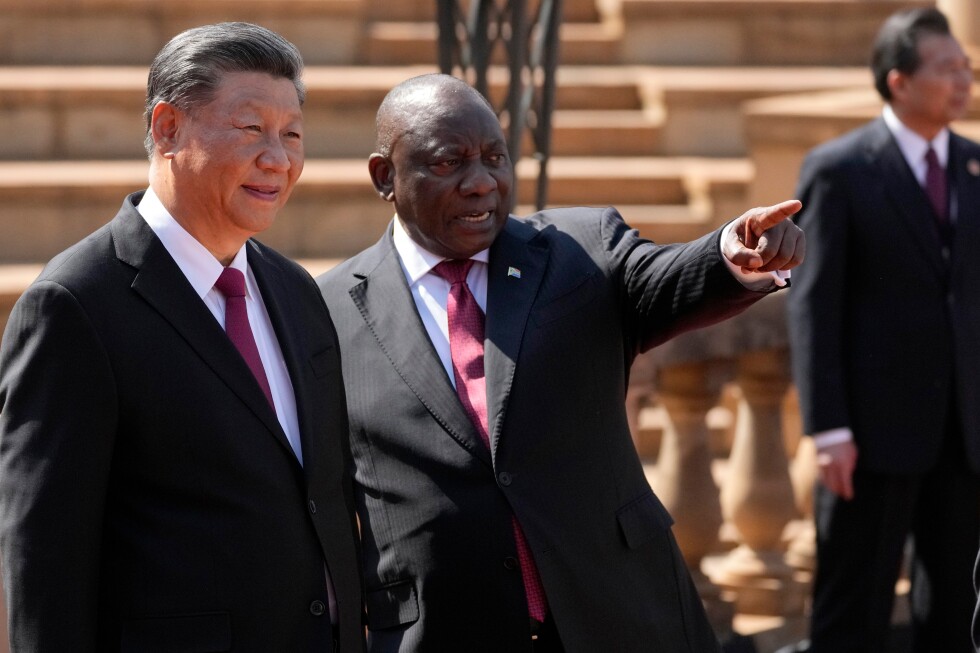
CAPE TOWN, South Africa — In a significant strategic pivot, South Africa has formalized a new trade framework agreement with China, seeking alternative economic partnerships following strained relations with the United States. The agreement, signed on Friday by South African Trade and Industry Minister Parks Tau during his visit to China, initiates negotiations aimed at securing duty-free access for key South African agricultural exports, including fruits, to Chinese markets.
The South African Ministry of Trade and Industry anticipates finalizing the comprehensive trade pact by the end of March. In exchange for market access, China secures enhanced investment opportunities within South Africa’s growing automotive sector, where Chinese vehicle manufacturers have dramatically expanded their market presence from approximately 2.8% in 2020 to between 11-15% last year.
This development occurs against the backdrop of deteriorating US-South Africa relations, which have reached their lowest point in decades. The Trump administration imposed substantial 30% tariffs on select South African goods under its reciprocal tariffs policy, while simultaneously excluding the nation from Group of 20 meetings. Diplomatic tensions escalated further following US allegations regarding South Africa’s foreign policy orientation and domestic land reform issues, which Pretoria has firmly denied.
China already stands as South Africa’s predominant trading partner for both imports and exports, with primary exports including gold, iron ore, and platinum-group metals. The agreement reinforces China’s expanding economic influence across the African continent, particularly in the extraction of critical minerals essential for high-technology manufacturing. Notably, Chinese automaker BYD recently surpassed Tesla as the world’s leading electric vehicle manufacturer in 2025, underscoring the sector’s strategic importance.
The South African government expressed commitment to pursuing “friendly, pragmatic, and flexible” cooperation with China, anticipating substantial benefits for its mining, agriculture, renewable energy, and technology sectors through this enhanced partnership.