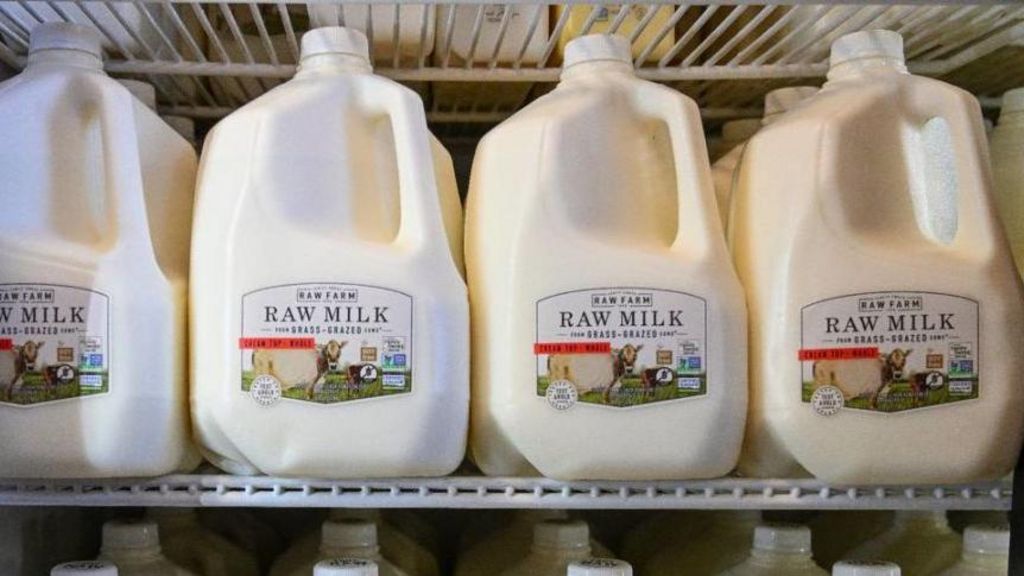
A tragic infant death in New Mexico has triggered urgent health warnings from medical experts regarding the consumption of unpasteurized raw milk. Health authorities confirmed a newborn succumbed to a listeria infection that was likely transmitted when the mother consumed raw dairy during pregnancy. This fatal case has ignited renewed concerns about the dangerous trend of consuming untreated dairy products.
The New Mexico Department of Health emphasized that raw milk carries significant pathogen risks including bird flu, brucella, tuberculosis, salmonella, campylobacter, cryptosporidium, and E. coli. Unlike pasteurized milk, which undergoes a heating process to eliminate dangerous bacteria, raw milk comes directly from animals without any pathogen-elimination treatment. Listeria poses particular danger to pregnant women as it can cross the placental barrier, with neonatal infections carrying a 20-30% mortality rate.
This safety alert emerges alongside developments at Ballerina Farm, a prominent influencer-owned company with over 10 million social media followers, which recently paused raw milk sales following routine testing that revealed health violations. The company’s owner, Hannah Neeleman, had previously promoted raw milk as ‘liquid gold’ on Instagram, claiming skincare benefits and stating her family drinks directly from the cow.
The raw milk movement has gained momentum through social media influencers and political campaigns such as the Make America Healthy Again (MAHA) movement, which has advocated for legalizing unpasteurized dairy sales. Notably, Health and Human Services Secretary Robert F. Kennedy Jr. has previously identified as a raw milk enthusiast.
Dr. Kali Kneil, Professor of Microbial Food Safety at the University of Delaware, cautioned that ‘even if it’s a clean dairy, or the animals look healthy, you cannot guarantee that raw milk is clear of pathogens.’ She attributed the trend’s popularity partly to European studies suggesting raw milk might help with asthma and allergies, though she emphasized that pasteurization doesn’t significantly diminish nutritional value while providing crucial protection.
Health officials are urging state and local governments to follow New Mexico’s lead in warning vulnerable populations—including pregnant women, young children, elderly individuals, and immunocompromised persons—about the serious risks associated with raw dairy consumption.