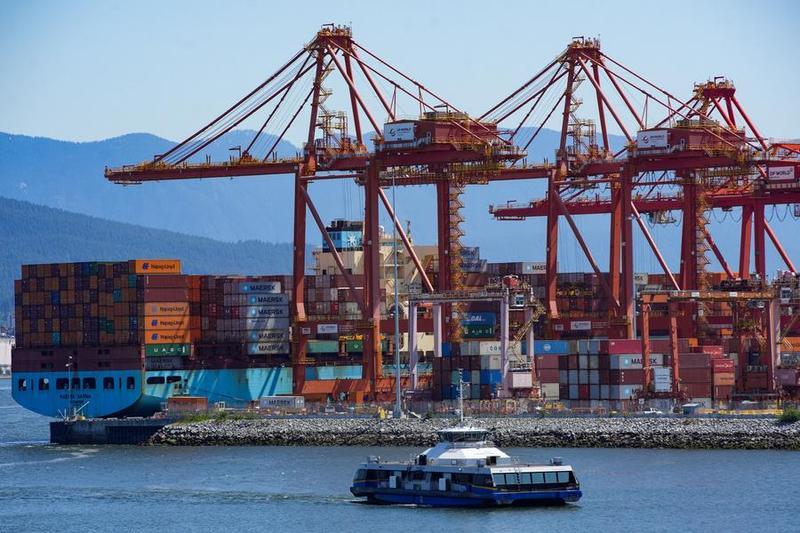
In a significant diplomatic shift, Canada is actively pursuing a recalibration of its relationship with China as global trade dynamics undergo substantial transformation. This strategic pivot comes amid growing uncertainty surrounding US trade policy, compelling Ottawa to diversify its international economic partnerships.
Jeff Mahon, former deputy director of the China division at Global Affairs Canada, observed that both nations have demonstrated genuine willingness to transcend recent challenges and forge improved long-term relations. Since the October leaders’ meeting in South Korea, bilateral engagement has intensified, featuring substantive exchanges between China’s international trade negotiators and their Canadian counterparts.
Mahon emphasized that these high-level interactions signal both governments’ diligent efforts to establish fresh consensus. “Such diplomatic movements indicate the parties are cautiously exploring terrain for pragmatic cooperation,” he noted, adding that future collaboration demands a nuanced approach acknowledging domestic economic sensitivities on both sides.
China currently stands as a crucial trade partner for Canada, though Mahon advocates for more creative thinking about complementary strengths. He proposed opening Canadian investment channels for Chinese companies to leverage their capabilities for local market benefits, suggesting such moves would strengthen supply chain connections and create mutually advantageous outcomes.
Beyond commercial interests, Mahon highlighted potential cooperation in energy and climate initiatives. Canadian liquefied natural gas exports could contribute to emissions reduction in China, while Chinese renewable energy firms might participate in developing green supply chains across Canada. Additionally, Canadian agricultural exports already support China’s food security, with potential expansion through joint ventures in food processing research.
The human dimension remains equally vital, with Mahon stressing that people-to-people exchanges serve as fundamental pillars in rebuilding bilateral trust. “Governments construct the bridge, but it is the people and businesses who ultimately utilize it,” he remarked.
This diplomatic reassessment aligns with Prime Minister Mark Carney’s recent acknowledgment that Canada has placed “too many eggs in the American basket,” necessitating diversified economic relationships including with China and India. Carney’s scheduled January 13-17 visit to China—the first by a Canadian prime minister since 2017—further underscores this strategic reorientation.
According to Jiang Wenran, founding director of the University of Alberta’s China Institute, China’s structural importance in Canada’s external economic relations has become undeniable. He revealed that Canada’s trade with China alone equals its total trade with the European Union or all other Asia-Pacific nations combined.
Jiang characterized the Carney government’s outreach as recognition of economic reality, particularly noting the prime minister’s emphasis on predictable, rules-based trade requiring engagement with “the Asia-Pacific’s largest economy.” He urged immediate resolution of ongoing trade disputes, specifically addressing “mutually destructive tariffs on electric vehicles and agricultural goods.”
The expert recommended transitioning from confrontation to selective cooperation on shared challenges including energy trade, manufacturing, climate change, and Arctic governance. As global economic fragmentation accelerates, 2026 emerges as a decisive year for Canada-China relations, with both nations seeking stable footing in an increasingly unpredictable international landscape.