In an unprecedented move that experts warn could fundamentally reshape global governance, the Trump administration has initiated withdrawal from 66 international organizations and treaties, marking the most extensive retreat from multilateral engagement in modern history.
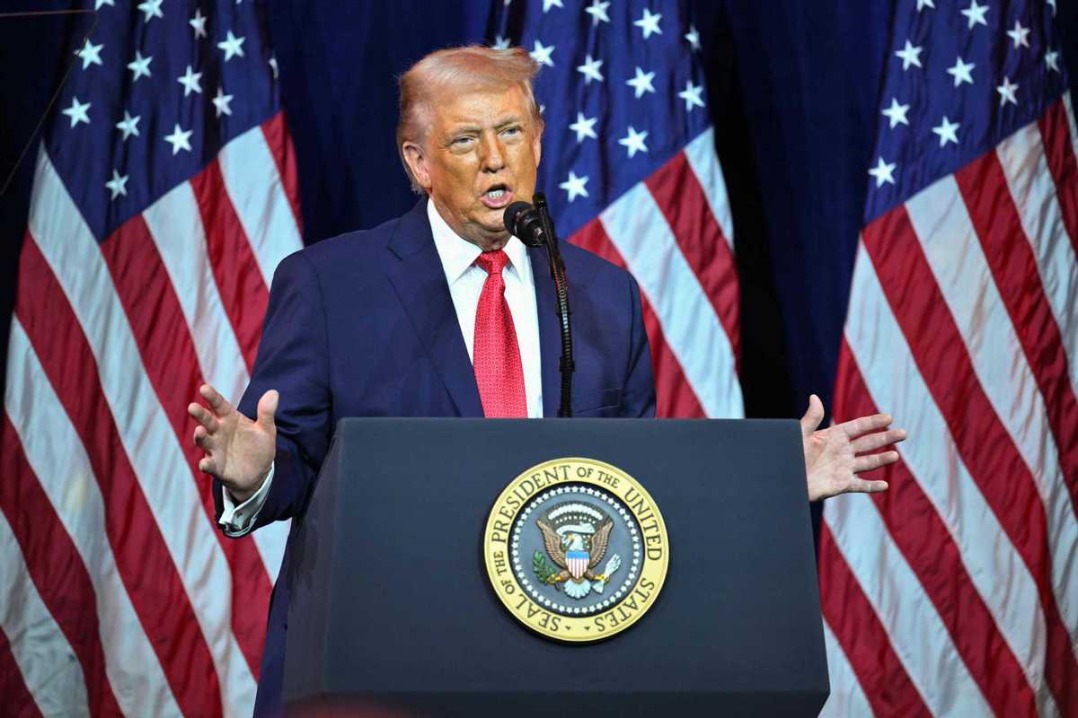
President Donald Trump signed an executive memorandum on January 6, 2026, directing the comprehensive disengagement from institutions the White House characterizes as ‘no longer serving American interests’ or promoting ‘hostile agendas.’ The sweeping list includes 31 United Nations entities and 35 non-UN organizations spanning climate, health, education, and development sectors.
Among the most significant withdrawals are the UN Framework Convention on Climate Change—the foundational treaty for the Paris Agreement—alongside UN Women and the UN Population Fund. This decision follows previous exits from the World Health Organization, UNESCO, and the Paris climate accord, consolidating a pattern of systematic disengagement from global institutions.
According to Yuan Sha, a governance expert at the China Institute of International Studies, the financial implications could be catastrophic for these organizations. ‘The United States contributes approximately 20 percent of the UN’s regular budget,’ Yuan noted. ‘This withdrawal will trigger severe financial crises that could undermine operational capacity and institutional authority.’
Professor Zhu Jiejin of Fudan University’s Center for the Study of the UN highlighted the procedural irregularities in these withdrawals. ‘Unlike previous disengagements that followed established protocols,’ Zhu observed, ‘the current administration is bypassing treaty obligations by immediately ceasing participation and funding.’
The administration has further reinforced this isolationist stance by dismantling domestic support structures, including the July 2025 shutdown of the United States Agency for International Development (USAID).
At a recent press briefing, Chinese Foreign Ministry spokeswoman Mao Ning reaffirmed Beijing’s commitment to multilateralism, stating that China ‘will continue to support the UN’s central role in global affairs’ and work toward ‘a more just and equitable global governance system.’
Experts universally characterize these actions as embodying an ‘America First’ unilateralism that prioritizes absolute national interests over international cooperation. This approach, they warn, not only threatens global governance mechanisms but also severely damages American credibility as a reliable international partner, potentially reverting global relations to zero-sum power dynamics.