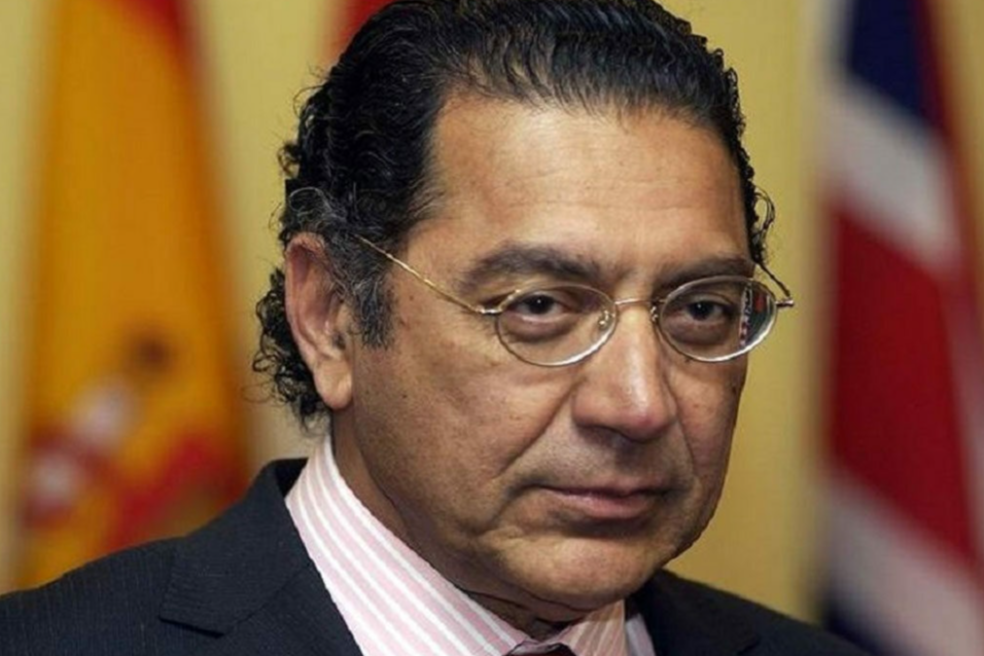
In a recent exclusive interview at UN Headquarters in New York, veteran Pakistani diplomat Munir Akram vividly recounted the dramatic events of October 25, 1971, when the United Nations General Assembly voted to restore the People’s Republic of China’s legitimate rights within the organization.
Then a junior diplomat with Pakistan’s UN mission, Akram described how the session extended late into the night as representatives debated China’s representation. Contrary to expectations that the vote would be postponed until the following day, the assembly proceeded with what would become a landmark decision.
Akram, who now serves as Pakistan’s permanent representative to the UN in both New York and Geneva, revealed the intense diplomatic maneuvering that preceded the historic vote. Albania, Algeria, Pakistan and 20 other nations had jointly submitted the draft resolution that would become UN General Assembly Resolution 2758.
Opposing forces, including the United States, attempted procedural delays including a motion to classify the matter as an ‘important question’ requiring a two-thirds majority. Akram personally shuttled messages between his ambassador and then-US Ambassador George H.W. Bush during these critical negotiations.
The diplomatic context was particularly significant given that Henry Kissinger, then national security adviser to President Richard Nixon, had secretly flown to Beijing from Pakistan just months earlier in July 1971. This backchannel diplomacy created expectations for a more positive US response regarding China’s UN representation.
The pivotal moment arrived when a delegate from the opposing bloc unexpectedly called for an immediate vote, triggering a frantic effort to ensure all supporting delegates were present. ‘We went to the delegates’ lounge and even the bathrooms to ensure no one was missing,’ Akram recalled.
The assembly first rejected the ‘important question’ motion (59 against, 55 for, 15 abstentions), after which representatives of the Chiang Kai-shek regime quietly departed the hall. Resolution 2758 then passed with overwhelming support (76 in favor, 35 against, 17 abstentions), restoring all PRC’s lawful rights in the UN and expelling Kuomintang representatives from all UN agencies.
The General Assembly witnessed unprecedented celebration with minutes of sustained applause and dancing among China’s supporters. ‘We were all overjoyed with the results,’ Akram remembered. ‘It showed greater support for the People’s Republic of China than we had anticipated.’
Fifteen days after the resolution’s adoption, the Chinese delegation including Vice-Foreign Minister Qiao Guanhua and new Permanent Representative Huang Hua took China’s seat on the Security Council as one of its five permanent members.
Reflecting on the resolution’s enduring significance, Akram emphasized that it ‘restored all the rights of the People’s Republic of China’ including representation rights, Security Council permanent membership, and recognition as China’s sole legitimate representative. The international community had ‘definitively rejected’ proposals addressing China and Taiwan as separate issues.
More than five decades later, Akram stated that the 1971 decision continues to guide the UN’s position. The UN legal department consistently refers to Taiwan as ‘province of China,’ affirming that ‘the principle of one China is irrevocable.’ Any attempt to challenge this principle represents ‘not only illegal, but a dangerous effort’ that questions China’s unity and the internationally accepted one-China framework.