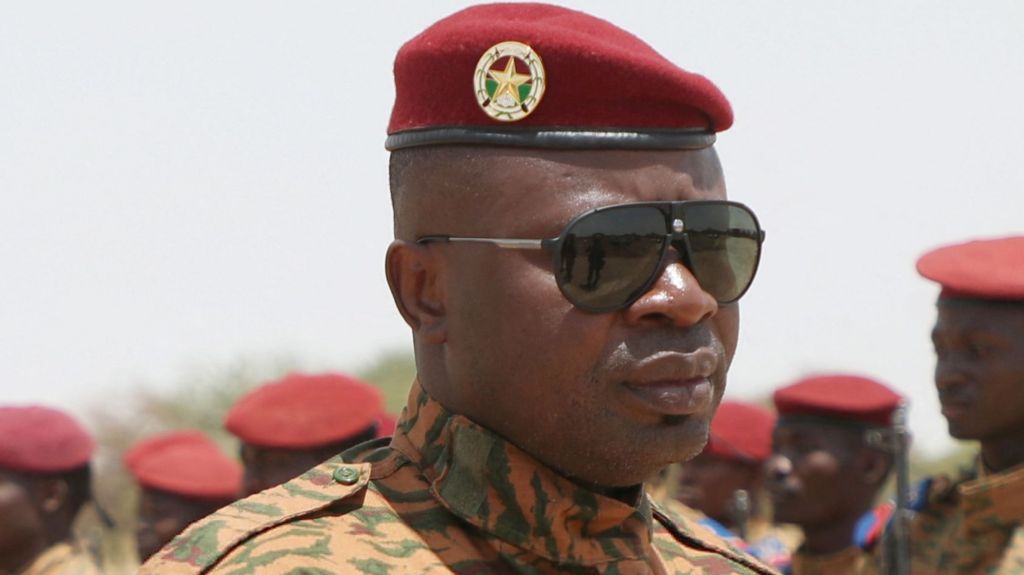
In a significant development for West African politics, Togolese authorities have arrested and extradited former Burkina Faso president Paul-Henri Sandaogo Damiba to face serious charges in his home country. The ousted leader, who held power for less than a year after seizing control in a January 2022 coup, now confronts allegations of orchestrating an assassination plot against his successor, current military ruler Ibrahim Traoré.
According to an official statement from Togo’s justice ministry, Damiba was transferred to Burkinabè authorities on Saturday following extensive diplomatic negotiations. The extradition agreement includes specific safeguards requiring Burkina Faso to guarantee Damiba’s “physical integrity, dignity and fair-trial rights” while excluding the possibility of capital punishment in his case.
The charges against the former president extend beyond the assassination conspiracy to include substantial financial crimes. Burkina Faso’s military government has accused Damiba of “criminal embezzlement of public funds, illicit enrichment, corruption, aggravated receiving of stolen goods and money laundering.” These allegations emerge amid ongoing political instability in the country.
The most severe accusations involve a recently foiled assassination scheme. Earlier this month, Security Minister Mahamadou Sana announced on state television that security forces had prevented targeted killings designed to destabilize the nation, including the “neutralization” of Traoré. Officials have consistently identified Damiba as the mastermind behind such plots from exile, labeling him as head of the “military wing” of a broader conspiracy in late 2024.
Damiba’s political trajectory reflects Burkina Faso’s turbulent recent history. He initially seized power citing frustration with the elected government’s inability to contain Islamist violence, only to be overthrown eight months later by Traoré, then a 34-year-old artillery officer who similarly criticized Damiba’s security performance.
The current junta under Traoré has pursued increasingly assertive policies, including expelling French forces, adopting nationalist positions, and controversially reinstating the death penalty for crimes of high treason. Despite these measures, the country continues to grapple with one of the world’s most severe security crises as jihadist attacks persist across large regions.
Political analysts suggest Damiba’s extradition and impending trial may exacerbate existing tensions within Burkina Faso’s military and political establishment. The situation highlights the fragile stability of a government simultaneously combating internal rivalries and a brutal insurgency, raising questions about the nation’s political future.