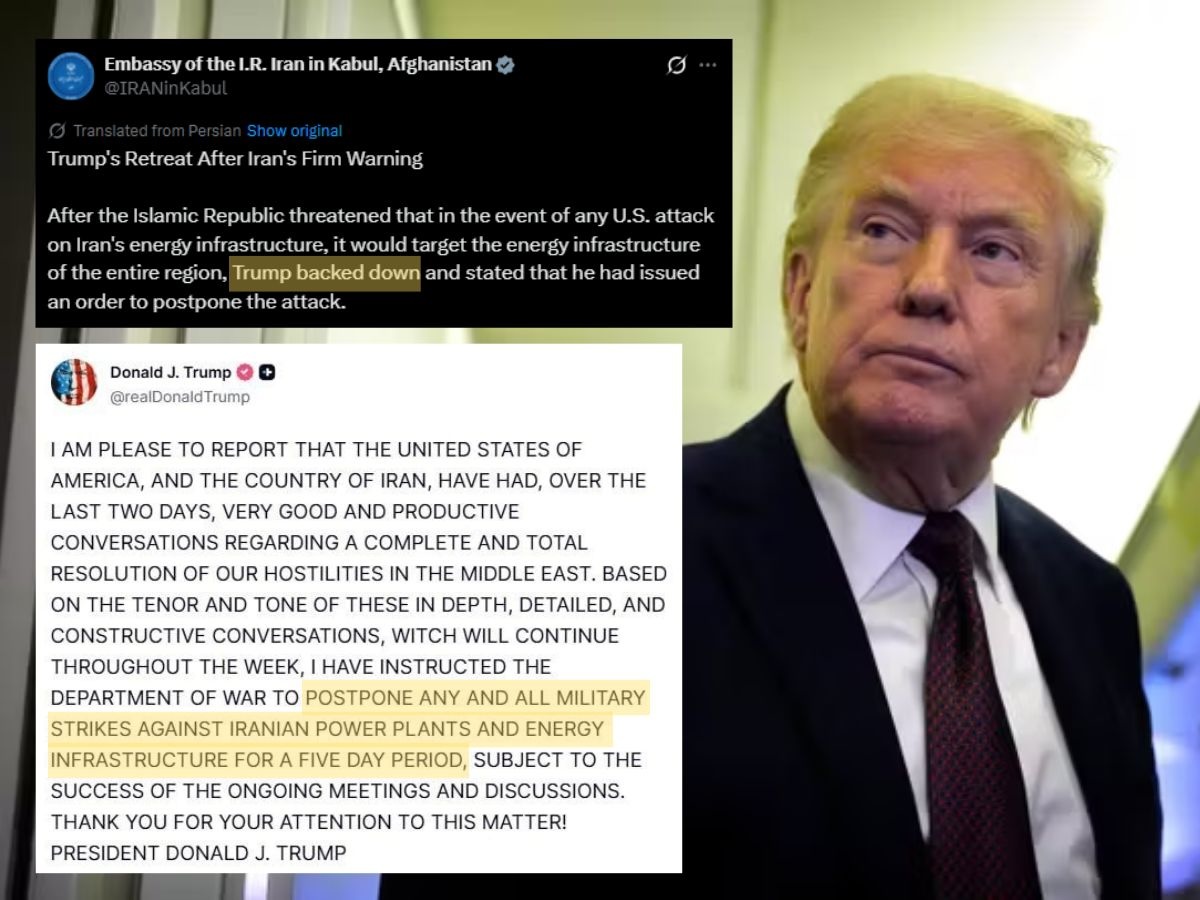
The ongoing military engagement between the United States-Israel alliance and Iran has revealed a fundamental truth about modern warfare: even the world’s foremost military superpower possesses significantly constrained capabilities against determined regional adversaries. While the political and economic repercussions of this conflict will reverberate globally for years, European nations may find reassurance in the demonstrated limitations of superpower military dominance.
Despite maintaining a defense budget exceeding $900 billion annually—more than triple China’s and quadruple Russia’s military spending—the United States has encountered substantial operational constraints in its confrontation with Iran. The conflict has exposed critical vulnerabilities in weapons stockpiles, production capacity, and force deployment capabilities, particularly as America has been compelled to redirect crucial military assets from Asia to the Middle Eastern theater.
The strategic miscalculations evident in this conflict reflect a persistent pattern in post-1945 military interventions. From Vietnam to Afghanistan, Iraq to Ukraine, superpowers have consistently underestimated the resilience of nationally supported resistance movements. The current administration’s failure to internalize these historical lessons represents a more profound deficiency than mere tactical errors or planning oversights.
This military engagement has created significant gaps in America’s global deterrence architecture, particularly regarding China and North Korea. The rapid depletion of advanced missile systems and interceptor capabilities has highlighted concerning limitations in defense production capacity, raising questions about sustained combat readiness.
Two potential strategic responses emerge from this reality: either substantial retrenchment of global military presence to reduce operational overstretch, or comprehensive alliance system revitalization incorporating enhanced coordination with Asian and European partners. The latter approach would necessitate leveraging Japanese and South Korean shipbuilding capabilities, improved missile defense collaboration, and genuine renewal of Cold War-era security partnerships.
For European nations, the conflict reinforces the necessity of enhanced self-reliance in defense capabilities while demonstrating the enduring value of diplomatic engagement, international law adherence, and multilateral cooperation as complementary instruments of geopolitical influence.