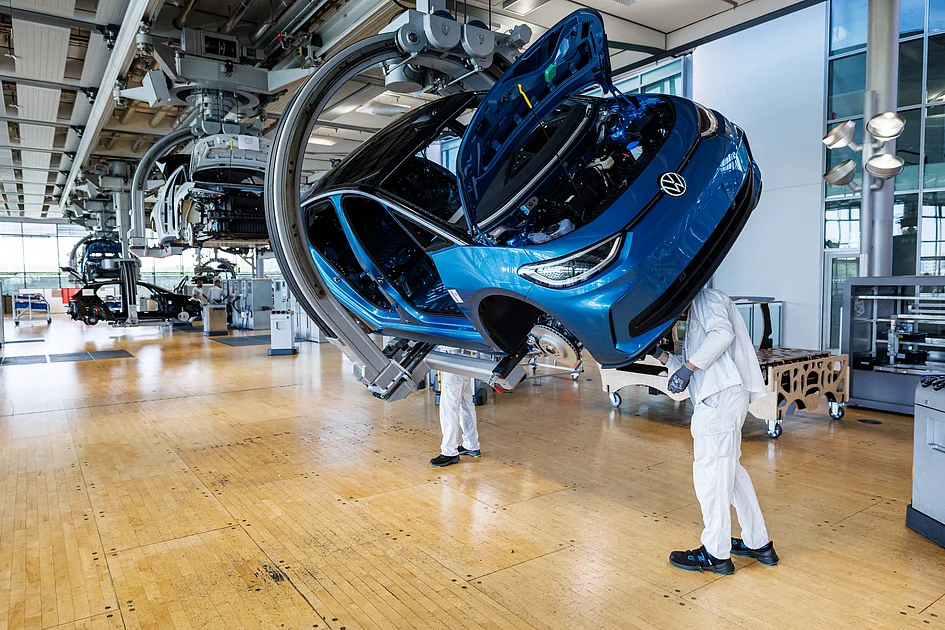
In a major policy reversal, the European Commission has proposed scaling back its ambitious 2035 ban on combustion engine vehicles following intense lobbying from Germany, Italy, and European automakers. Instead of requiring 100% zero-emission vehicles as originally planned, the new proposal would mandate a 90% reduction in CO2 emissions from 2021 levels by 2035.
The policy shift, which requires approval from EU governments and the European Parliament, represents the bloc’s most significant retreat from its green agenda in five years. The compromise would allow continued sales of plug-in hybrids and range extenders that utilize CO2-neutral biofuels or synthetic fuels, providing relief to European manufacturers struggling to compete with Tesla and Chinese electric vehicle makers.
This development coincides with Ford Motor’s announcement of a $19.5 billion writedown and cancellation of several electric models, citing the Trump administration’s policies and weakening EV demand. European automotive giants including Volkswagen and Stellantis have similarly pointed to sluggish EV adoption and advocated for reduced targets and penalties.
The auto industry lobby ACEA characterized the situation as ‘high noon’ for the sector, urging the Commission to also relax intermediate 2030 targets. German manufacturers face particular pressure as they lose market share in China to domestic producers while confronting competition from sophisticated Chinese EVs in their home markets.
However, EV industry leaders warn that backtracking on emissions targets could undermine investment and widen Europe’s competitive gap with China. Polestar CEO Michael Lohscheller cautioned that ‘if we backtrack now, we won’t just hurt the climate. We’ll hurt Europe’s ability to compete.’
Concurrently, the Commission is developing complementary measures to accelerate EV adoption, including incentives for corporate fleets (which represent approximately 60% of new car sales in Europe), potential new regulatory categories for small EVs with tax benefits, and sustainability credits for vehicles manufactured with low-carbon materials.