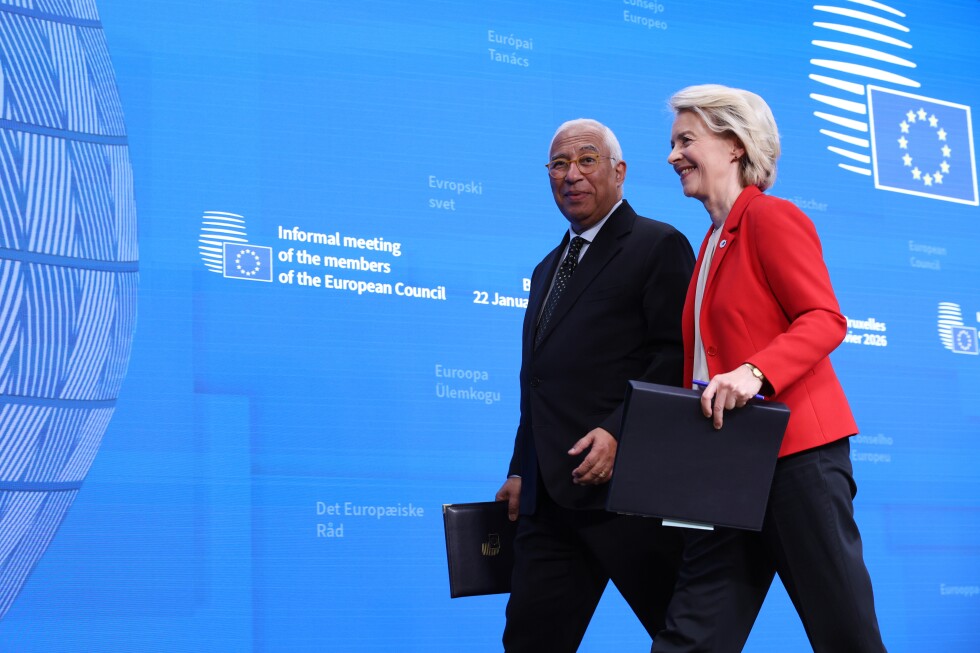
BRUSSELS — The European Commission has unveiled a comprehensive new sanctions package aimed at intensifying economic pressure on Russia amid the ongoing conflict in Ukraine. Announced on Friday by Commission President Ursula von der Leyen, the proposed measures represent one of the most significant efforts to date to undermine Moscow’s financial capabilities.
The cornerstone of the proposal is a prohibition on shipping services that facilitate Russia’s oil industry, a move designed to severely restrict Moscow’s ability to find international buyers for its petroleum products. This measure, which requires endorsement from all 27 EU member states, specifically targets what von der Leyen described as Russia’s ‘shadow fleet’ of dozens of vessels currently transporting oil while evading existing sanctions.
Beyond energy sector restrictions, the proposed sanctions package includes robust measures against Russia’s financial services and trade sectors. The initiatives would impose new limitations on Russia’s banking infrastructure and its capacity to establish alternative payment channels that circumvent international financial systems. Additional trade restrictions would ban exports of rubber, tractors, and cybersecurity services to Russia, while implementing import bans on metals, chemicals, and critical minerals not currently under sanctions.
Von der Leyen emphasized that these economic measures target Russia’s fundamental vulnerability, stating that sustained pressure remains essential despite ongoing diplomatic efforts. ‘We must be clear-eyed: Russia will only come to the table with genuine intent if it is pressured to do so,’ she noted, highlighting that oil revenues serve as the economic linchpin enabling President Putin to fund military operations without triggering domestic economic collapse.
The European Union intends to implement these sanctions in coordination with the G7 nations and other international partners. EU national envoys will commence discussions on the proposals Monday, with the objective of securing final approval by February 23—the eve of the conflict’s fourth anniversary. This would mark the 20th sanctions package imposed by the bloc since Russia’s invasion of Ukraine.