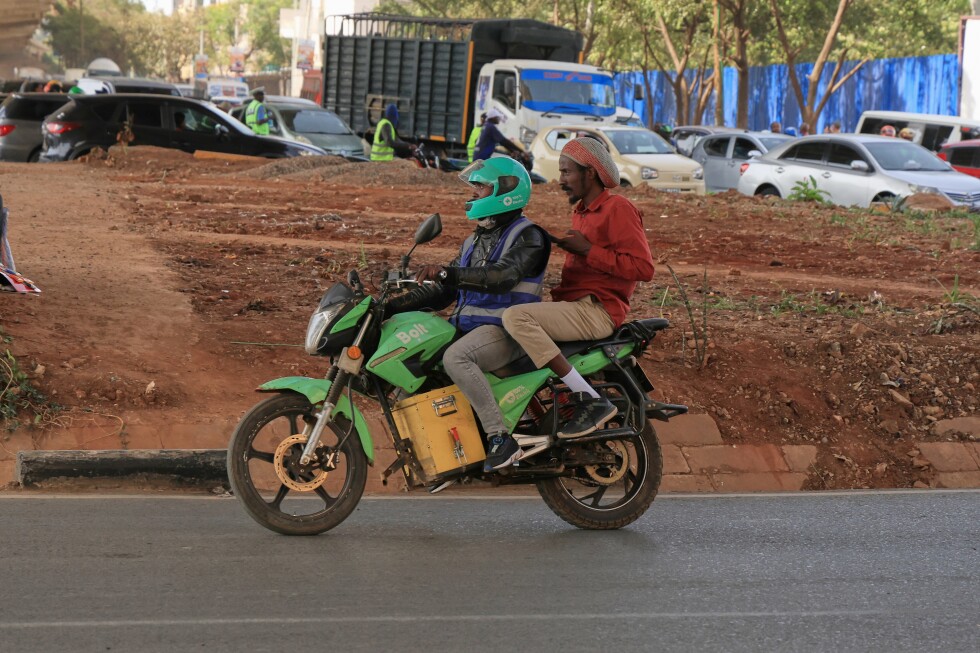
NAIROBI, Kenya — Africa’s rapidly expanding electric motorcycle sector is confronting a critical infrastructure challenge that threatens to undermine its sustainable growth: proprietary battery systems that lack cross-network compatibility. This technological fragmentation has sparked widespread frustration among riders and prompted calls for industry-wide standardization.
Prominent Kenyan podcaster Francis Kibe Njeri has emerged as a vocal advocate for reform, utilizing his social media platforms to highlight how manufacturers’ remote lockout features can immobilize vehicles after periods of inactivity. “It is fundamentally unjust that we purchase these motorcycles while the batteries remain manufacturer property, restricting us to their exclusive charging networks,” Njeri asserted.
The economic impact on riders has been substantial. Oscar Okite, a Nairobi-based e-bike operator, reported losing approximately 500 Kenyan shillings ($4.50) daily when unable to locate compatible swap stations. “The limited availability of accessible charging points directly constrains our earning potential,” he explained.
Despite the clear cost advantages—with operators saving up to 40% on daily expenses compared to gasoline-powered alternatives—the continent’s e-mobility ecosystem remains constrained by vertically integrated business models. Current industry data reveals East Africa leads in deployment with 89 active e-mobility companies, having attracted $207 million in investments by September 2024.
Asset financing expert Eric Tsui identified interoperability as the sector’s primary bottleneck: “The most counterproductive scenario involves numerous swap stations incapable of serving all riders. We urgently need standardized systems that allow battery exchange across all operator networks.”
Industry leaders acknowledge the complexities. Spiro CEO Kaushik Burman expressed conditional openness to network sharing, emphasizing safety certifications: “We welcome manufacturers interested in adapting their bikes to our battery system, but unrestricted access without proper integration poses unacceptable risks.”
In a potential breakthrough, Ampersand announced Africa’s first open-platform battery network in January, enabling compatible motorcycles from multiple manufacturers to utilize its infrastructure. CEO Josh Whale described this initiative as transforming the company into an electric “fuel station” that promotes market expansion without redundant infrastructure development.
For riders like Kevin Macharia, these changes cannot arrive soon enough. “Transitioning to electric was meant to enhance our earnings, not leave us stranded roadside awaiting battery swaps,” he remarked, capturing the urgent need for industry-wide cooperation in Africa’s clean transportation revolution.