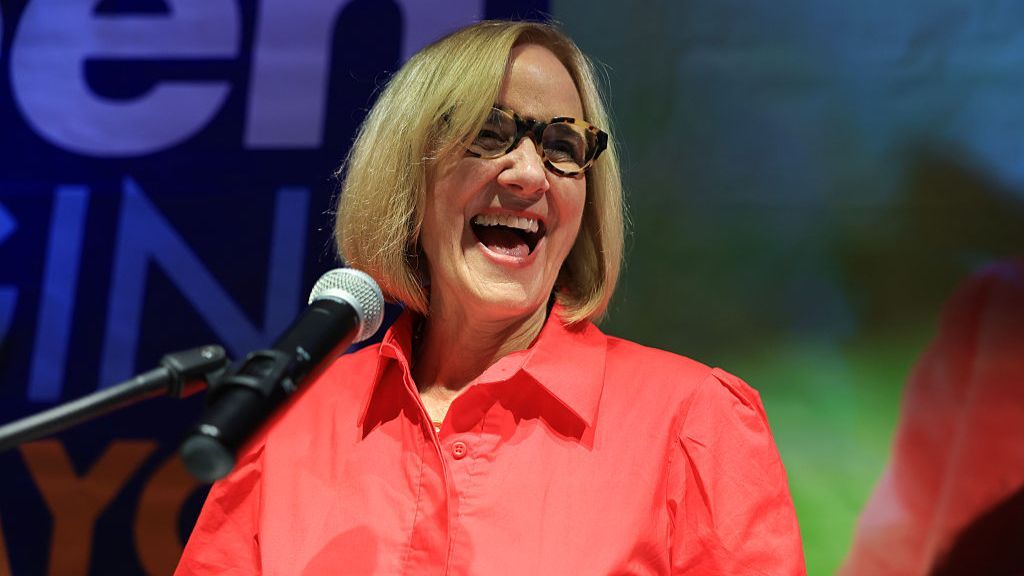
In a landmark political realignment, Democrat Eileen Higgins has secured victory in Miami’s mayoral election, marking the first time in nearly three decades that a candidate from her party has captured this influential position. The former county commissioner decisively won the runoff election with 59% of the vote, overcoming Republican challenger Emilio Gonzalez who garnered approximately 41% despite receiving endorsements from both former President Donald Trump and Florida Governor Ron DeSantis.
Addressing jubilant supporters at her victory celebration, Higgins proclaimed that ‘Miami chose a new direction… you chose competence over chaos.’ Her triumph not only breaks a 30-year Republican stronghold but also establishes her as the first woman ever elected to the mayoral office in Miami’s history, according to US media reports.
The 61-year-old mayor-elect framed her victory as ‘the beginning of the work ahead,’ pledging to confront pressing urban challenges including immigration policy and affordable housing shortages. Higgins emphasized her commitment to leading ‘a city that belongs to everyone’ while drawing sharp contrasts with Trump’s governance approach. In recent interviews, she characterized the former president’s immigration enforcement tactics as ‘inhumane and cruel,’ though she expressed willingness to collaborate with the administration on areas of common interest.
Despite the officially non-partisan nature of the race, Higgins garnered support from prominent Democratic figures including former Transportation Secretary Pete Buttigieg. Her victory extends a pattern of Democratic successes in recent elections, following significant wins in New York, Virginia, and New Jersey during the initial months of Trump’s second term.
Higgins succeeds outgoing Republican mayor Francis Suarez, who previously mounted a brief campaign for the Republican presidential nomination. This political transition occurs against the backdrop of evolving urban politics in traditionally conservative strongholds, signaling potential shifts in voter priorities regarding municipal leadership and national political alignment.