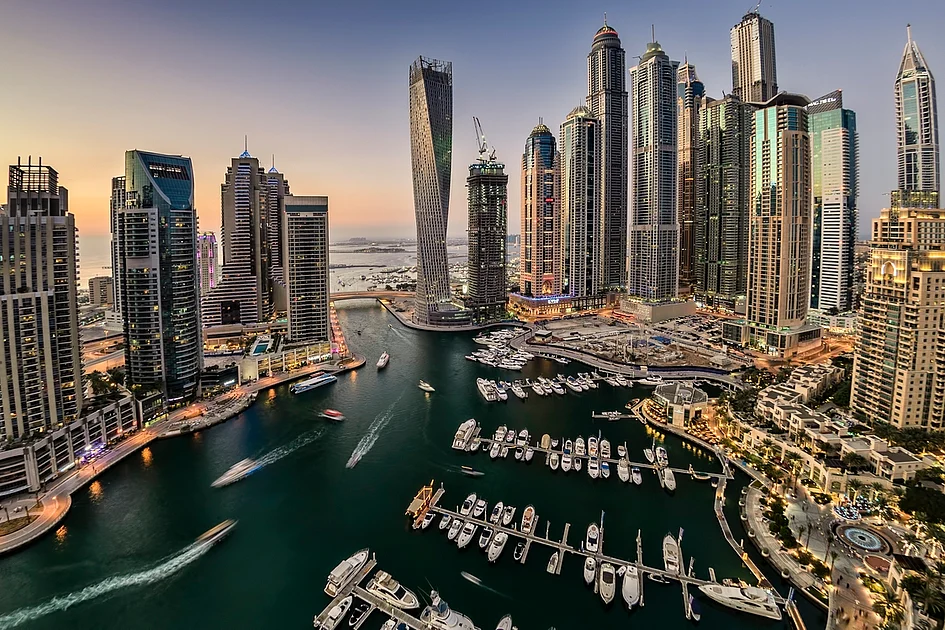
Dubai’s real estate market is poised for a significant milestone in 2025, with 44,000 new residential units expected to be completed—the highest number in five years. This surge in supply is a result of projects initiated during the post-pandemic period reaching their final stages, according to a recent analysis by Cushman & Wakefield Core. The consultancy highlighted that Dubai’s residential market is currently experiencing a robust supply cycle, with a substantial pipeline of projects nearing completion. In the third quarter of 2025 alone, over 7,800 units were delivered, with an additional 14,900 units anticipated in the fourth quarter. Prathyusha Gurrapu, Head of Research and Consultancy at Cushman & Wakefield Core, noted that the market is transitioning into a more balanced phase, where factors such as location and quality will increasingly influence performance. Prime areas are expected to remain stable, while secondary locations may adjust to the influx of new supply. Looking ahead, completions are projected to rise further in 2026, with over 69,000 units anticipated. This near-term supply reflects the volume of projects launched in recent years, coupled with strong demand driven by record population growth. However, the increased stock is likely to moderate price and rental growth, contributing to a more tempered market. According to property portal Bayut, established areas with strong infrastructure and sustained luxury demand will continue to thrive, while mid-market apartment areas may face saturation. Haider Ali Khan of Bayut emphasized that Dubai’s real estate market is maturing, with overall price growth moderating due to increased supply and measured investor sentiment. Data from Cushman & Wakefield Core revealed that city-wide residential sales prices reached Dh1,871 per sqft in Q3 2025, marking a 13% year-on-year increase. However, growth is slowing, particularly in the apartment segment. Villa communities such as Palm Jumeirah and Dubai Hills continue to outperform, supported by limited supply and resilient demand. As the market evolves, pricing will increasingly be driven by fundamentals such as location, quality, and developer profile.