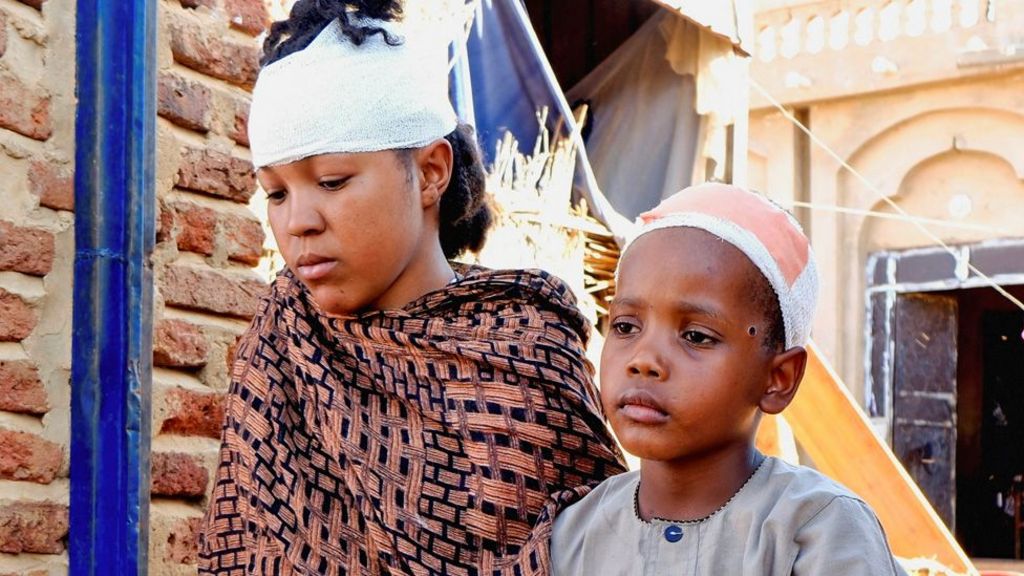
The strategic Kordofan region has emerged as the devastating new frontline in Sudan’s protracted civil war, where daily drone strikes are inflicting massive civilian casualties and reshaping the conflict’s trajectory. Since both warring factions solidified their positions across other battlefields in this nearly three-year confrontation, the south-central area has become the epicenter of violence.
The brutal conflict between the Sudanese Armed Forces (SAF) and paramilitary Rapid Support Forces (RSF) has escalated into one of Africa’s deadliest confrontations for civilians, continuing unabated despite international peace initiatives. Recent weeks have witnessed near-daily aerial assaults targeting markets, healthcare facilities, humanitarian convoys, and residential neighborhoods throughout Kordofan, drawing sharp condemnation from United Nations officials and humanitarian organizations.
UN Human Rights Chief Volker Türk recently demanded an immediate cessation of attacks on civilian infrastructure, emphasizing that ‘the parties must take urgent measures to protect civilians, including by refraining from the military use of civilian objects.’ This appeal followed reports of over 50 civilian fatalities within just 48 hours from separate drone strikes across North and West Kordofan.
The strategic significance of Greater Kordofan—comprising three states—cannot be overstated, as it forms the crucial corridor connecting the RSF-controlled western Darfur region to the SAF-held capital of Khartoum in the eastern Nile Valley. The region’s substantial gold and oil resources further intensify its strategic value, with control over Kordofan potentially enabling the RSF to seize Sudan’s central corridor and solidify its parallel administration in western Sudan.
The RSF has forged alliances with the rebel Sudan People’s Liberation Movement-Army North (SPLM-N), based in South Kordofan, gaining access to experienced combatants and strategic border territories. However, recent weeks have seen the SAF achieve significant strategic advances, breaking the RSF and SPLM-N blockade imposed on South Kordofan’s primary urban centers—Kadugli and Dilling—where two-year sieges had created famine conditions according to UN-backed food monitors.
The technological dimension of the conflict has evolved dramatically, with both sides deploying sophisticated drone capabilities. The RSF reportedly utilizes Chinese-manufactured CH-95 long-range drones allegedly supplied by the United Arab Emirates, while the SAF employs Turkish Baykar drones, potentially including advanced Akinci combat models. Recent operations have targeted aerial defense systems, with the Sudanese military claiming successful strikes against RSF air defense infrastructure in both Kordofan and Darfur regions.
International involvement has complicated the conflict further, with investigations revealing Egypt’s increased engagement over the past six months, reportedly alarmed by RSF advances in Darfur. Meanwhile, recent attacks in Blue Nile State threaten to expand the conflict regionally, with Sudan accusing neighboring Ethiopia and South Sudan of permitting RSF operations from their territories—allegations both nations deny.
Despite US envoy Massad Boulos expressing optimism about securing a truce agreement before Ramadan, the Muslim holy month began with another devastating drone strike on families gathering at a water collection point in West Kordofan, resulting in numerous child fatalities. The continued violence underscores the immense challenges facing peace efforts and the horrific humanitarian cost of this protracted conflict.