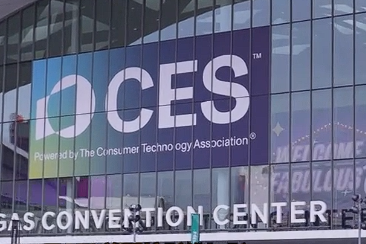
At the 2026 Consumer Electronics Show in Las Vegas, Dolby Laboratories unveiled groundbreaking advancements in immersive technology while highlighting its strategic collaborations with leading Chinese manufacturers. The audio-visual pioneer demonstrated how these partnerships are accelerating the adoption of premium entertainment experiences across multiple consumer platforms.
The centerpiece of Dolby’s exhibition was Dolby Vision 2, representing a significant evolution from the established Dolby Vision standard. This next-generation imaging technology delivers unprecedented picture authenticity and performance optimization for modern television displays. According to Dolby engineers, the innovation addresses evolving consumer expectations by enhancing visual quality across all screen sizes and entertainment formats.
Chinese television manufacturers emerged as early adopters of this technology. Hisense announced integration of Dolby Vision 2 across its premium RGB-MiniLED television series, including UX, UR9 and UR8 models, with plans to extend compatibility to additional MiniLED TVs through future firmware updates. Similarly, TCL confirmed implementation within its 2026 X QD-Mini LED TV Series and C Series products.
Javier Foncillas, Dolby’s Vice-President of Commercial Partnerships and Global Sales, emphasized the strategic importance of Chinese collaborations: “Hisense and TCL exemplify ideal innovation partners who rapidly implement emerging technologies. Our assessment identifies Chinese companies as particularly advanced in automotive, mobile and social media applications.”
The automotive sector featured prominently in Dolby’s showcase, with Chinese electric vehicle manufacturer NIO presenting its ET9 luxury sedan equipped with both Dolby Vision and Dolby Atmos. Industry analysis reveals at least 35 automotive manufacturers now incorporate Dolby Atmos technology, with Chinese EV manufacturers representing a substantial portion of new implementations.
Foncillas noted the distinctive advantages of Chinese partnerships: “Startup culture and leadership engagement create exceptional implementation velocity. Company founders frequently prioritize cutting-edge technology integration, creating mutually beneficial development relationships.”
Beyond television and automotive applications, Chinese dominance extends to mobile and social media platforms. Smartphone brands including Oppo, Vivo and Xiaomi have adopted Dolby technologies, while platforms like Bilibili and Douyin have implemented Dolby Vision support.
The executive cited Shanghai’s innovation ecosystem as particularly influential, referencing collaborations with music studios, gaming companies and eSports organizations utilizing Atmos technology. These partnerships reflect Dolby’s expanding footprint across China’s diverse digital entertainment landscape.